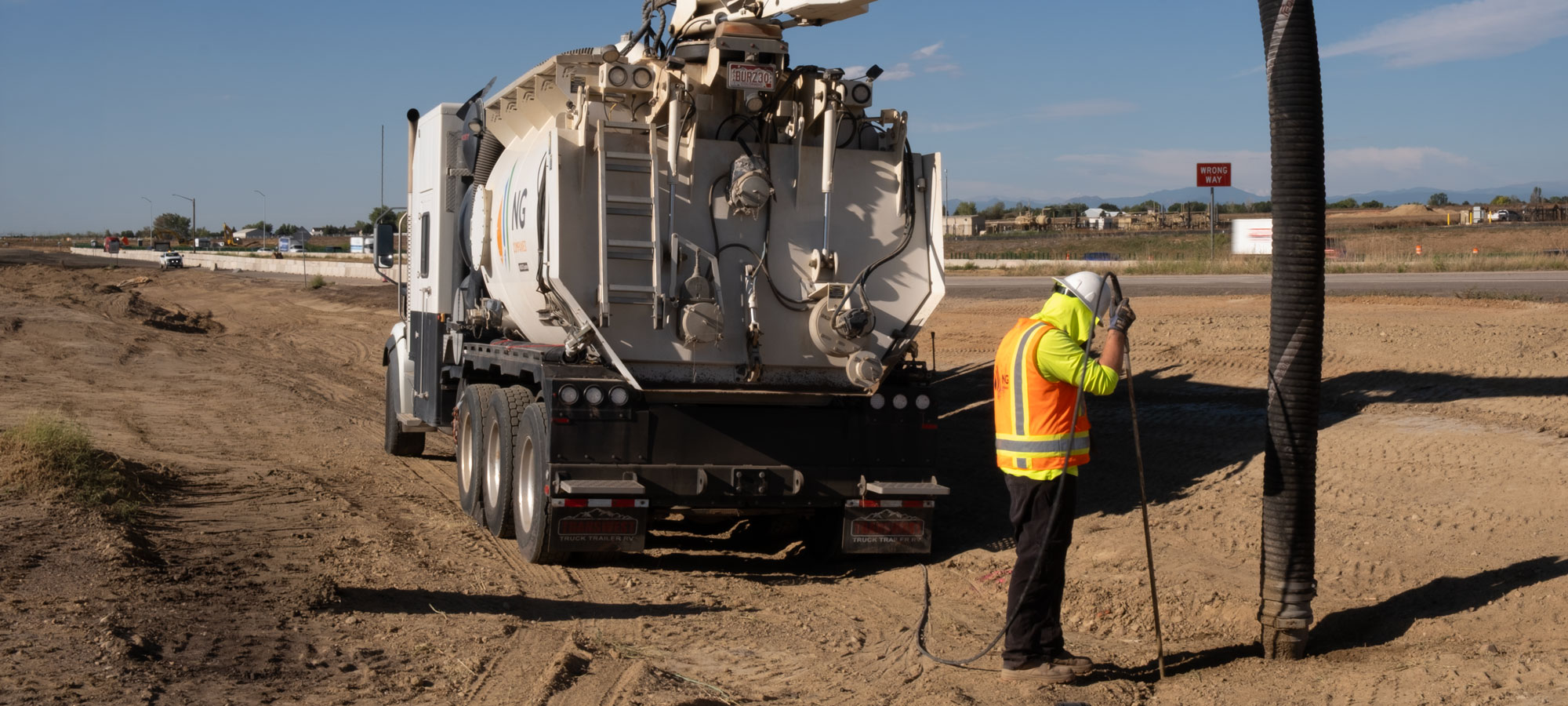
A successful hydrovac excavation project starts with proper planning. Before requesting a bid, contractors need to define the excavation requirements, identify existing site conditions, and coordinate the work with other construction activities. Without a clear scope of work, important details can get overlooked. For example, a request for ten utility potholes may sound straightforward. However, excavation depth, soil conditions, utility congestion, and truck access can significantly affect how the crew approaches the job.
At NG Companies, we work with general contractors, utility contractors, and infrastructure teams on projects that require precision excavation and careful coordination. We understand what information hydrovac crews need before arriving on site. Here are six essential items to include in your next hydrovac scope of work.
1. Define the Excavation Requirements
Start by explaining what you need the hydrovac contractor to accomplish. Identify the type of excavation and its purpose.
Common applications include:
- Utility potholing: Exposing underground utilities to verify their location and depth.
- Daylighting: Removing soil around buried infrastructure to provide visual confirmation.
- Slot trenching: Creating narrow trenches for underground utility installation.
- Pipeline exposure: Providing access to existing pipelines for inspection or repairs.
- Bore pit excavation: Preparing areas for horizontal directional drilling operations.
Also, specify the number of excavation locations, approximate dimensions, and estimated depths. For example, a telecommunications contractor preparing for HDD installation may need several existing utility crossings exposed before drilling begins. Identifying those locations and explaining what the drilling team needs to verify helps the hydrovac provider plan the work.
Remember that excavation depth alone does not determine job complexity. A shallow pothole in compacted soil with several nearby utilities may require more careful work than a deeper excavation in open, accessible ground.
2. Provide Utility Information and Existing Site Conditions
Existing underground infrastructure plays a major role in hydrovac planning. Provide all available utility maps, engineering drawings, 811 information, private locating results, and previous excavation records.
Also, identify:
- Known water, sewer, gas, electrical, and telecommunications lines.
- Congested utility corridors and crossing locations.
- Abandoned or unidentified utilities.
- Soil conditions, including clay, gravel, compacted fill, or rocky ground.
- Pavement, concrete, or other surface materials.
Consider a water main installation that crosses an existing electrical duct bank and telecommunications conduit. If the contractor identifies these crossings in the scope, the hydrovac crew can better understand the conditions and prepare for controlled excavation.
However, utility records do not always reflect actual underground conditions. Contractors should complete applicable utility locating and excavation safety requirements before work begins. Hydrovac potholing then helps expose critical infrastructure and verify its actual position.
3. Explain Truck Access and Site Restrictions
Hydrovac trucks need adequate space for positioning, equipment setup, and safe operation. However, active construction sites do not always provide ideal working conditions. Include information about:
- Truck access routes and available staging areas.
- Road width and overhead clearance.
- Distance between the truck and excavation locations.
- Traffic control and lane closure requirements.
- Restricted work zones and security requirements.
- Nearby structures and active construction activities.
For example, a utility contractor may need potholes along a busy roadway where the hydrovac truck cannot park directly beside every excavation. The crew must account for truck positioning, hose routing, and traffic restrictions. Site plans and photographs help the provider evaluate these conditions before mobilization. Also, clarify whether the general contractor or hydrovac provider will handle traffic control and permits.
4. Establish Water Supply and Spoil Disposal Requirements
Hydrovac excavation uses pressurized water to break up soil and a powerful vacuum system to remove the resulting slurry. Therefore, contractors should establish how the crew will access water and manage excavated material.
Clarify:
Water supply
- Is a water connection available on site?
- Where can the crew access it?
- Are there restrictions on water use?
- Does the project require additional water transportation?
Spoil disposal
- Who handles slurry transportation and disposal?
- Does the project provide an approved disposal location?
- Are there special requirements for potentially contaminated soil?
For example, an industrial facility may have specific soil handling and disposal requirements. Communicating these conditions before mobilization helps the hydrovac provider plan accordingly and avoid interruptions.
5. Coordinate Scheduling and Other Construction Activities
Hydrovac excavation often supports another phase of construction. As a result, scheduling matters just as much as the excavation itself. Provide the requested start date, operating hours, expected work duration, and any scheduling restrictions. Also, identify other contractors who will work in the same area. For instance, an HDD contractor may need several utility crossings exposed before drilling can proceed. If those excavations happen too late, the drilling team may need to adjust its schedule.
To prevent this, establish excavation priorities and coordinate the hydrovac crew with the overall construction timeline. For larger projects, consider whether you need ongoing hydrovac support across multiple construction phases rather than a single mobilization.
6. Clarify Backfilling and Project Completion Requirements
Finally, explain what the hydrovac crew must do after completing each excavation. Some projects require only utility exposure and slurry removal. Others include backfilling, cleanup, and preparation for the next construction activity.
Specify:
- Whether the hydrovac contractor must backfill excavations.
- Required backfill materials and compaction specifications.
- Temporary or permanent surface restoration requirements.
- Responsibility for removing excess material.
- Required photographs or field documentation.
For example, a general contractor may need several potholes completed before a paving subcontractor restores the roadway. If the hydrovac provider is responsible only for excavation, the project team must coordinate the remaining work separately. Clearly assigning these responsibilities helps prevent confusion between subcontractors and keeps the next phase moving.
Hydrovac Scope of Work Checklist
Before submitting a hydrovac bid request, try to include as much information as possible, such as:
- Project location, contact, and site plans.
- Excavation purpose and type of work.
- Number, location, dimensions, and estimated depths of excavations.
- Available utility maps and locating information.
- Known soil conditions and underground obstructions.
- Truck access, staging, and traffic restrictions.
- Water supply and slurry disposal arrangements.
- Requested schedule and coordination requirements.
- Backfilling, restoration, and documentation responsibilities.
These details give the hydrovac contractor a clearer understanding of the project before mobilization and help the construction team coordinate the work.


 About NG CompaniesLearn more about NG Companies’ values, missions, and why we’re the right choice to partner with you.
 SafetyLearn more about how we keep our people, our partners, and the public safe.
 NewsLearn more about how we keep our people, our partners, and the public safe.
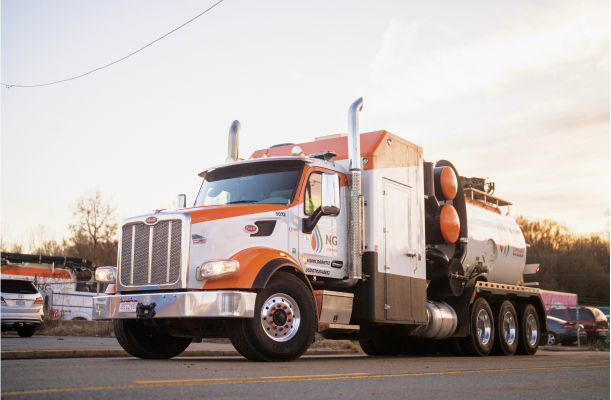 Our WorkTo learn the scope and caliber of NG Companies’ work, explore our proud body of work.
 OverviewDiscover how we deliver the highest level of damage prevention to ensure safety on all of your projects.
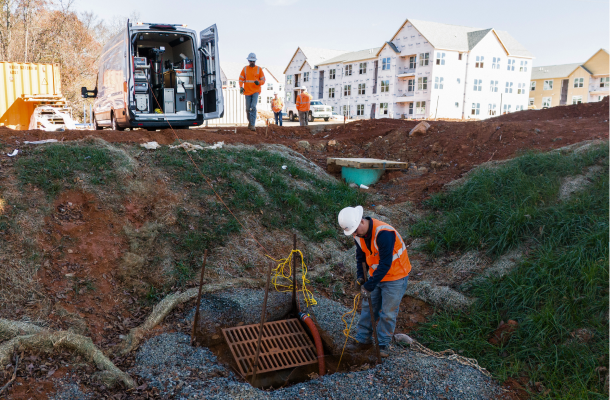 Video Pipe InspectionLearn how we operate our 360° video pipe inspection to ensure accuracy and precision.
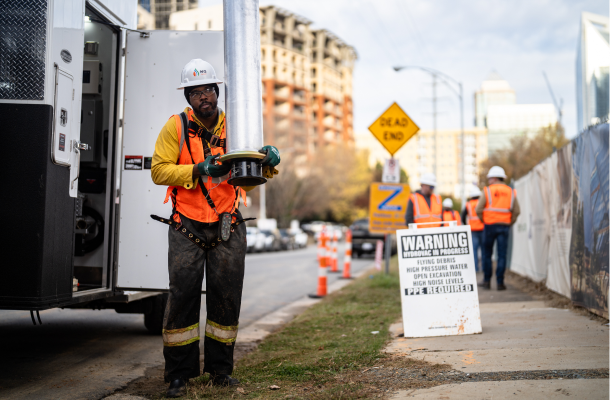 HydrovacUnderstand what sets NG Companies apart with leading and precise industry technology.
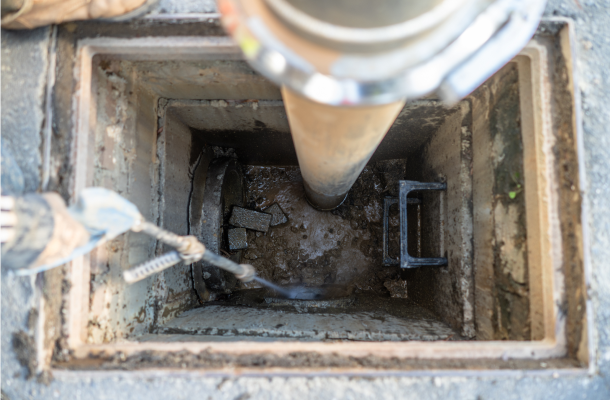 Hydro JettingLearn about NG Companies’ abilities to clear build-up and debris, damage assessment, and utility restoration.
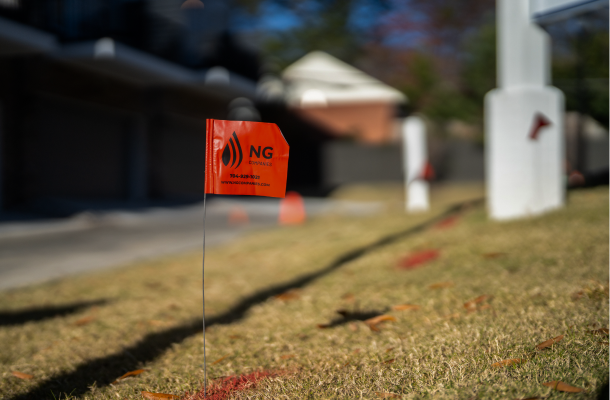 Utility LocatingNG Companies will provide swift and accurate utility locating services. Learn more about how we do it.
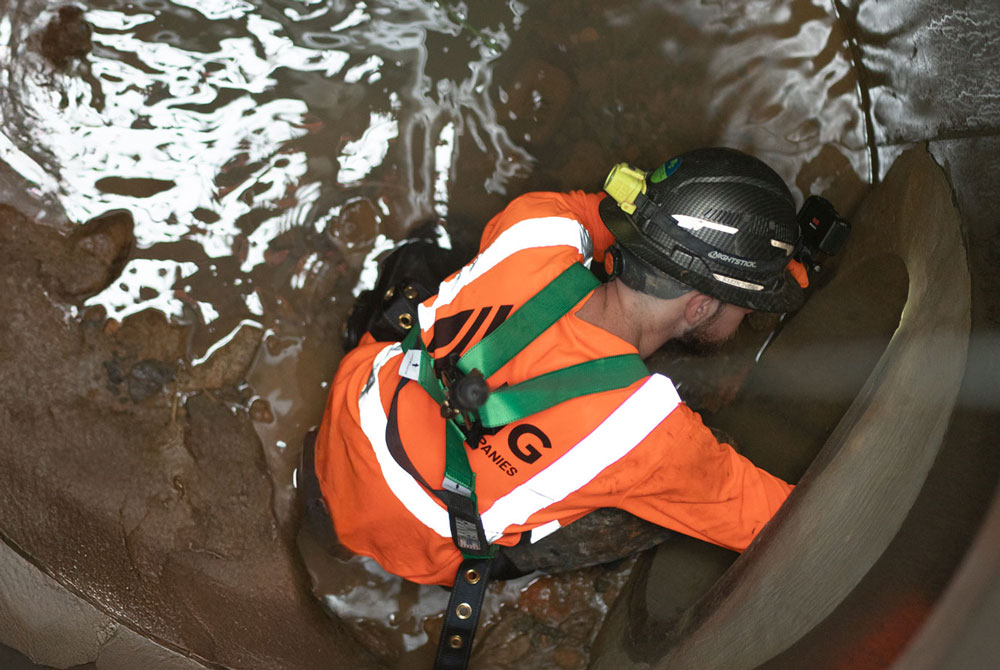 Trenchless Pipe RepairTrenchless pipe repair for fast, no-dig sewer and water line restoration with minimal disruption and lower costs.
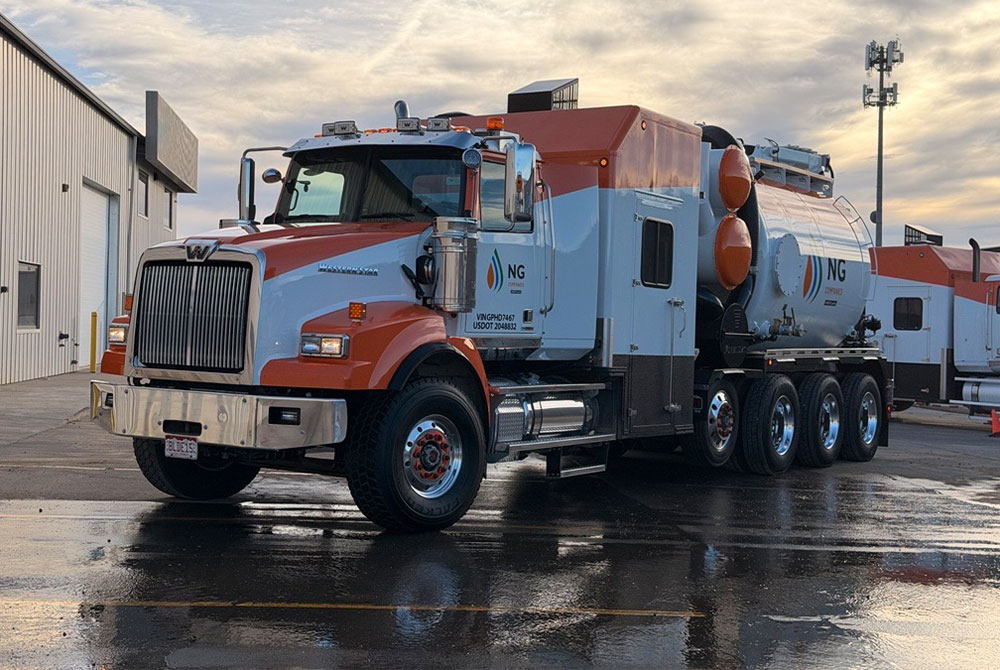


 All Posts