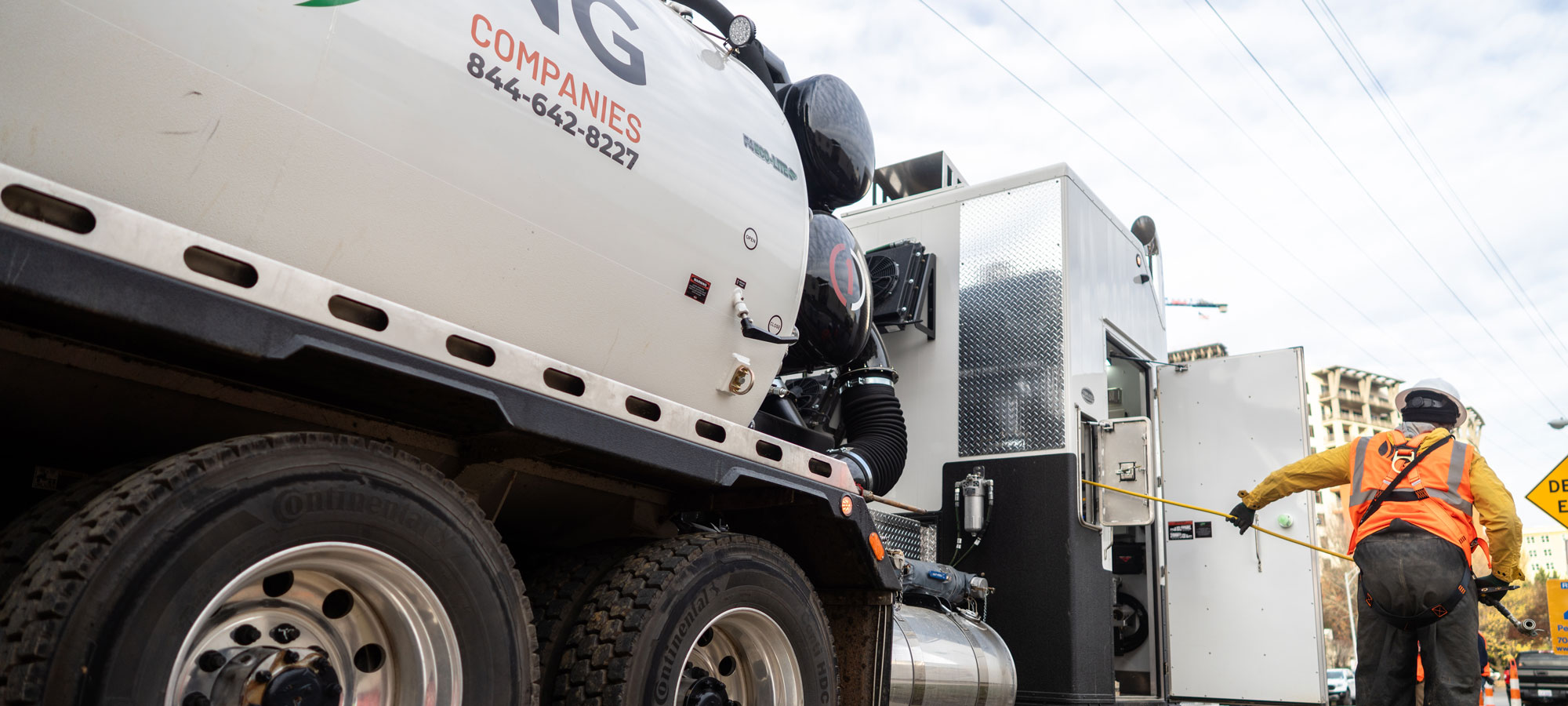
Construction delays can affect an entire project. When crews encounter underground utilities or unexpected site conditions, work may stop while they investigate and adjust their plans. Hydrovac excavation helps contractors dig with greater control. It uses pressurized water to loosen soil and a vacuum system to remove it. This allows crews to expose underground utilities while removing less soil than many traditional digging methods.
For civil, commercial, and utility contractors, hydrovac services can help reduce delays, avoid unnecessary digging, and keep projects moving.
5 Ways Hydrovac Helps Contractors Save Time
1. Find Underground Utilities Before Digging
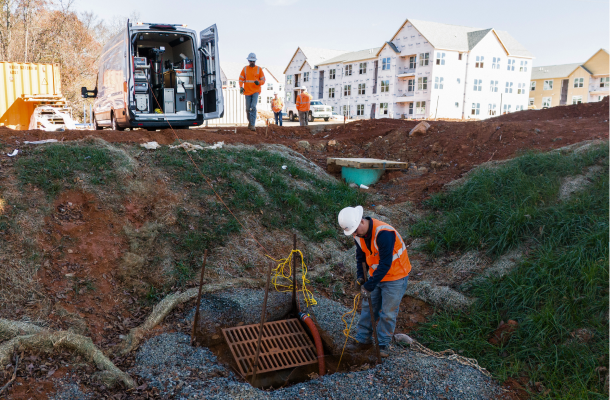
Utility records and markings help crews plan excavation, but they may not show every detail underground. Hydrovac potholing allows crews to expose specific areas and check the location and depth of buried utilities before moving forward. For example, a contractor installing a new water line may need to expose an existing pipe first. Hydrovac helps the crew access that pipe and plan the connection.
The benefit: Better information before digging can reduce unexpected problems and help crews plan the next step.
2. Reduce the Risk of Utility Damage
Damaging a buried utility can lead to repairs, safety risks, and costly delays. It can also affect other crews waiting to continue their work. Hydrovac offers a controlled way to dig near existing pipes, cables, and other underground infrastructure.
For example, a contractor working near a gas line can use hydrovac to expose the area before continuing with nearby excavation. Crews must still follow utility locating procedures and site safety requirements.
The benefit: Reducing the risk of utility strikes can help contractors avoid unplanned repairs and downtime.
3. Work More Efficiently in Tight Spaces
Busy construction sites often have limited room for equipment. Existing utilities, buildings, traffic, and other crews can make excavation more difficult. Hydrovac allows crews to focus on specific digging areas rather than removing large amounts of soil.
For instance, a contractor replacing a utility connection beside a commercial building may need to keep nearby access routes open. Targeted hydrovac excavation can help limit disruption to the surrounding area.
The benefit: More controlled digging can help crews work around existing infrastructure and other site activities.
4. Prepare for the Next Phase of Construction
Many construction tasks depend on completed excavation. Utility installation, pipe repairs, and other work cannot begin until crews have access to the right area. Scheduling hydrovac ahead of these tasks helps contractors prepare the site before the next crew arrives.
For example, a contractor may need to expose a utility connection before a scheduled concrete pour. Completing the excavation early gives the team time to inspect the area and address any issues before the concrete crew starts.
The benefit: Better planning helps reduce waiting time between construction phases.
5. Coordinate Crews and Equipment
When crews arrive before an excavation area is ready, contractors can lose valuable time and money. Hydrovac can help project managers prepare key areas before other teams begin work.
For example, a contractor planning directional drilling may schedule hydrovac to expose utilities at important crossing points first. The drilling crew can then review the findings and adjust its plan if needed.
The benefit: Early preparation helps contractors coordinate equipment, crews, and upcoming tasks.
When Should Contractors Use Hydrovac Services?
Hydrovac excavation can be useful when a project requires precise digging or access to buried infrastructure.
Common applications include:
- Utility potholing: Checking the location and depth of buried utilities.
- Utility installation: Exposing existing pipes and connections before installing new infrastructure.
- Directional drilling: Checking key crossing points before drilling begins.
- Commercial construction: Accessing buried utilities before other site work.
- Road and infrastructure projects: Digging around existing utilities in busy or restricted areas.
- Utility repairs: Exposing damaged lines so crews can assess the problem.
The right digging method depends on soil conditions, utility depth, site access, and project needs. Contractors should plan and follow all required safety procedures.
How to Keep Hydrovac Work on Schedule
Hydrovac can help reduce delays, but planning is still important.
1. Plan Ahead
Review project drawings and utility information before excavation begins. Identify areas where crews need to expose buried infrastructure, especially when other work depends on it.
2. Coordinate With Other Crews
Schedule hydrovac before the next phase of construction. This gives the team time to review the results and address unexpected conditions.
3. Share Site Details
Provide the hydrovac crew with utility markings, drawings, access limits, and excavation requirements. Clear information helps crews prepare for the job.
4. Allow for Site Conditions
Soil type, weather, groundwater, and equipment access can affect excavation time. Build these factors into the schedule to set realistic expectations.
Keep Your Project Moving With NG Companies
Every construction delay can affect the crews, equipment, and tasks that follow. Hydrovac excavation helps contractors expose underground utilities, reduce unnecessary digging, and prepare work areas for the next phase.
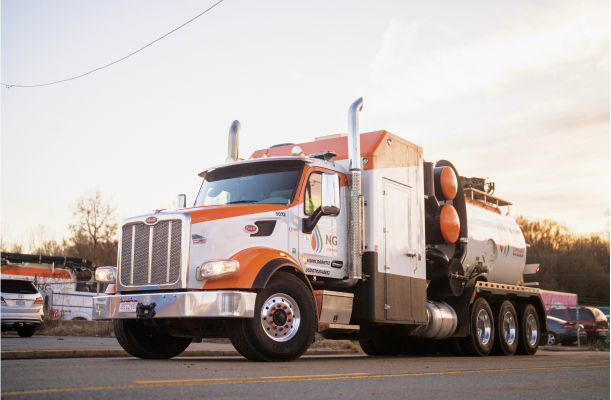
NG Companies provides hydrovac excavation services for civil, commercial, and utility contractors.
Planning your next excavation project? Contact NG Companies to discuss your needs and see how hydrovac services can help keep your project on track.


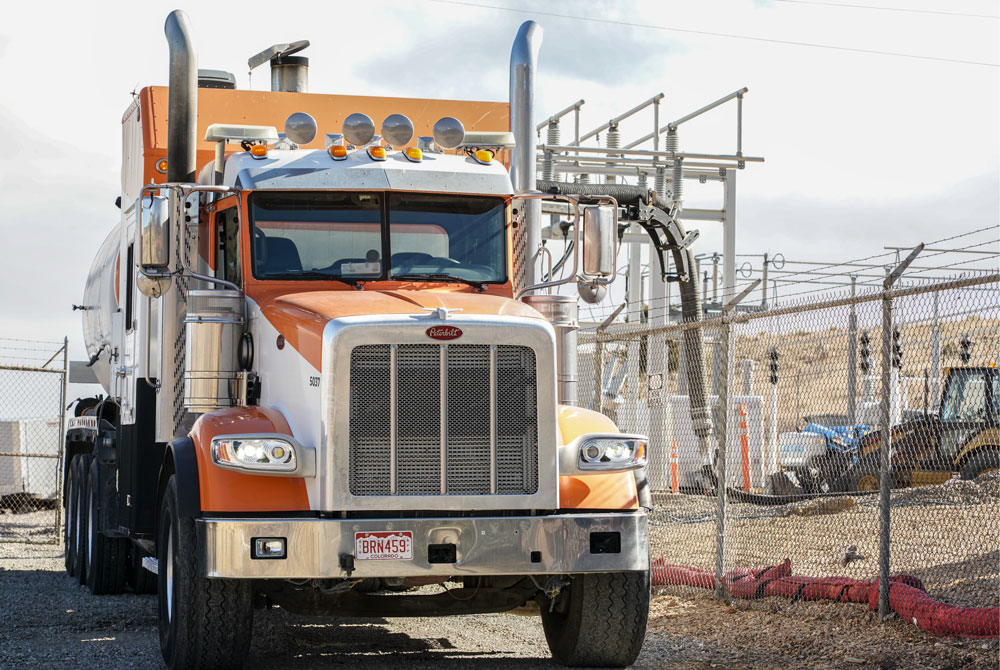 About NG CompaniesLearn more about NG Companies’ values, missions, and why we’re the right choice to partner with you.
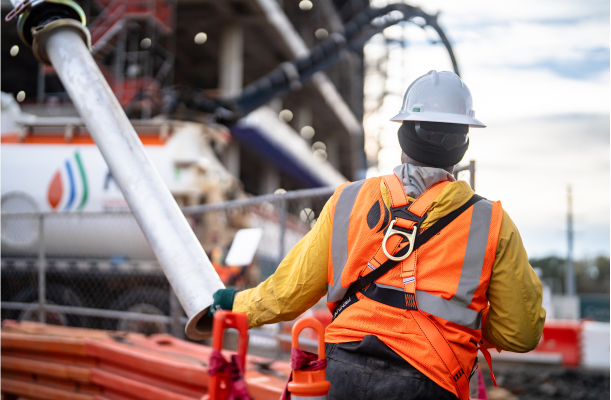 SafetyLearn more about how we keep our people, our partners, and the public safe.
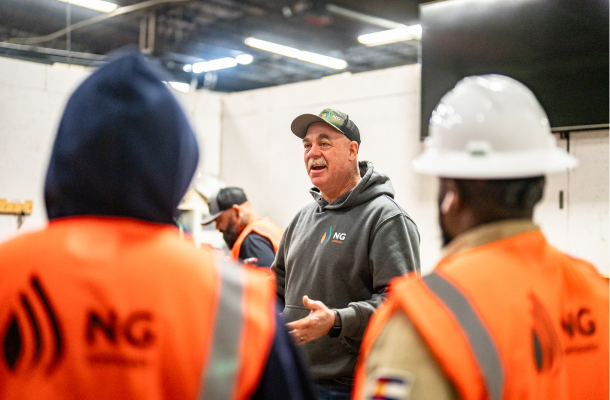 NewsLearn more about how we keep our people, our partners, and the public safe.
 Our WorkTo learn the scope and caliber of NG Companies’ work, explore our proud body of work.
 OverviewDiscover how we deliver the highest level of damage prevention to ensure safety on all of your projects.
 Video Pipe InspectionLearn how we operate our 360° video pipe inspection to ensure accuracy and precision.
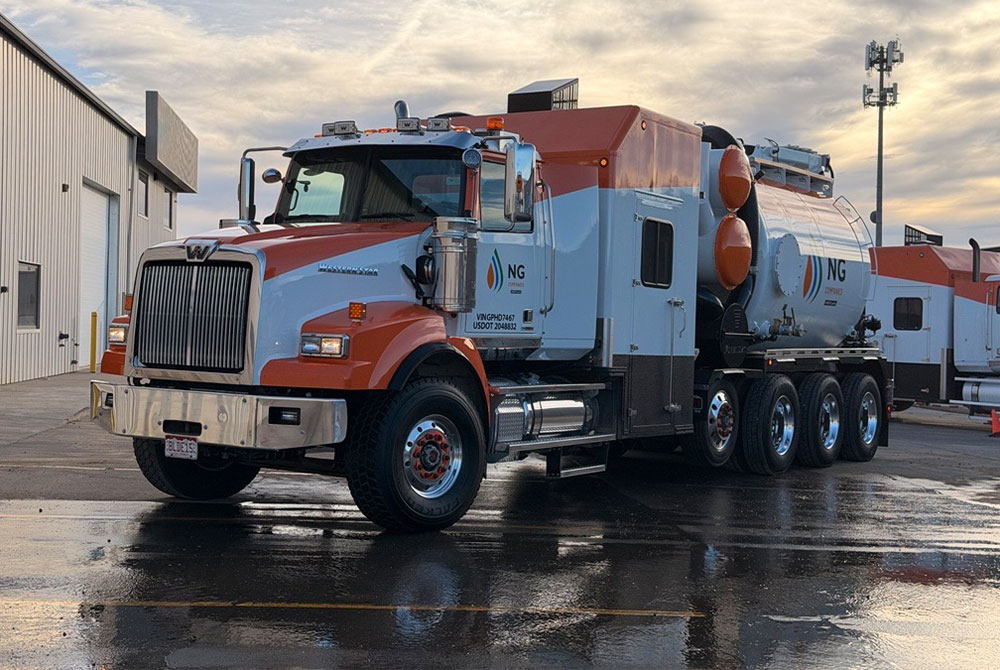
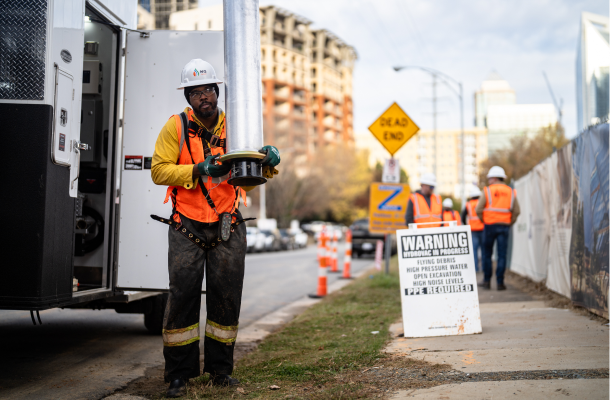 HydrovacUnderstand what sets NG Companies apart with leading and precise industry technology.
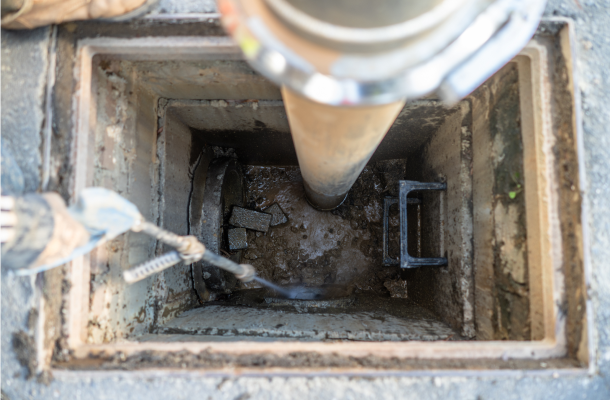 Hydro JettingLearn about NG Companies’ abilities to clear build-up and debris, damage assessment, and utility restoration.
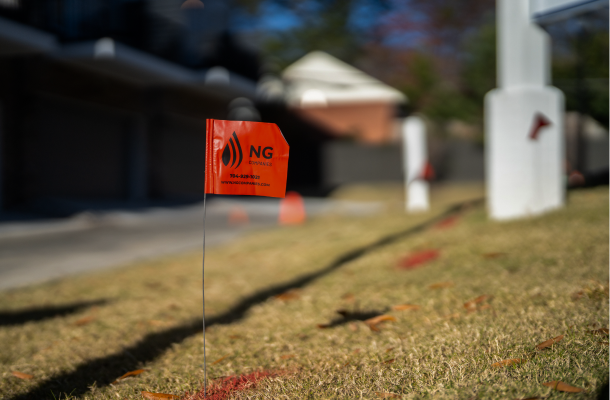 Utility LocatingNG Companies will provide swift and accurate utility locating services. Learn more about how we do it.
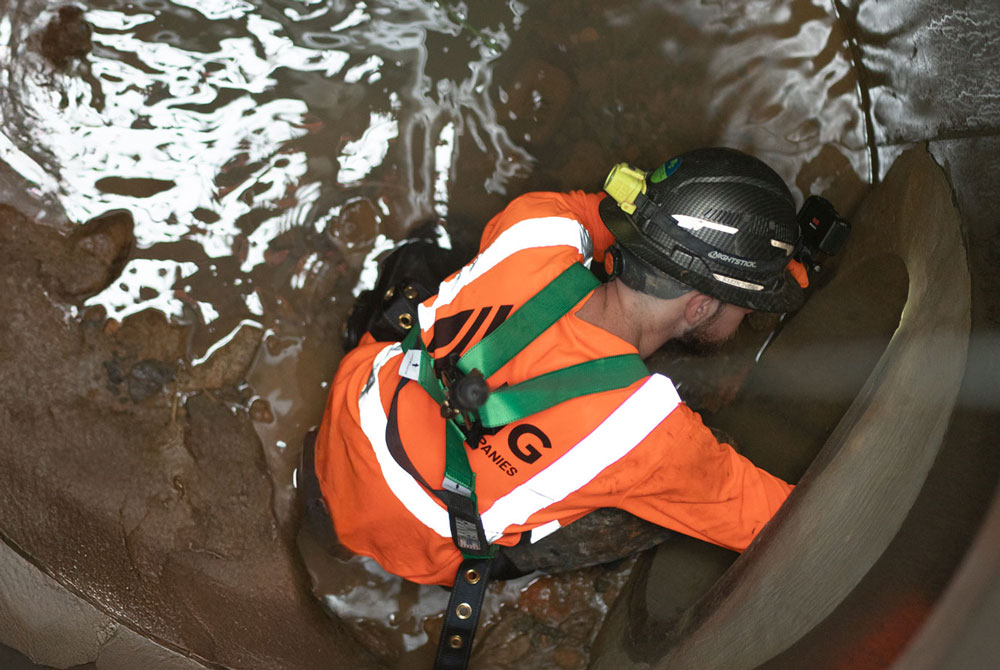 Trenchless Pipe RepairTrenchless pipe repair for fast, no-dig sewer and water line restoration with minimal disruption and lower costs.


 All Posts