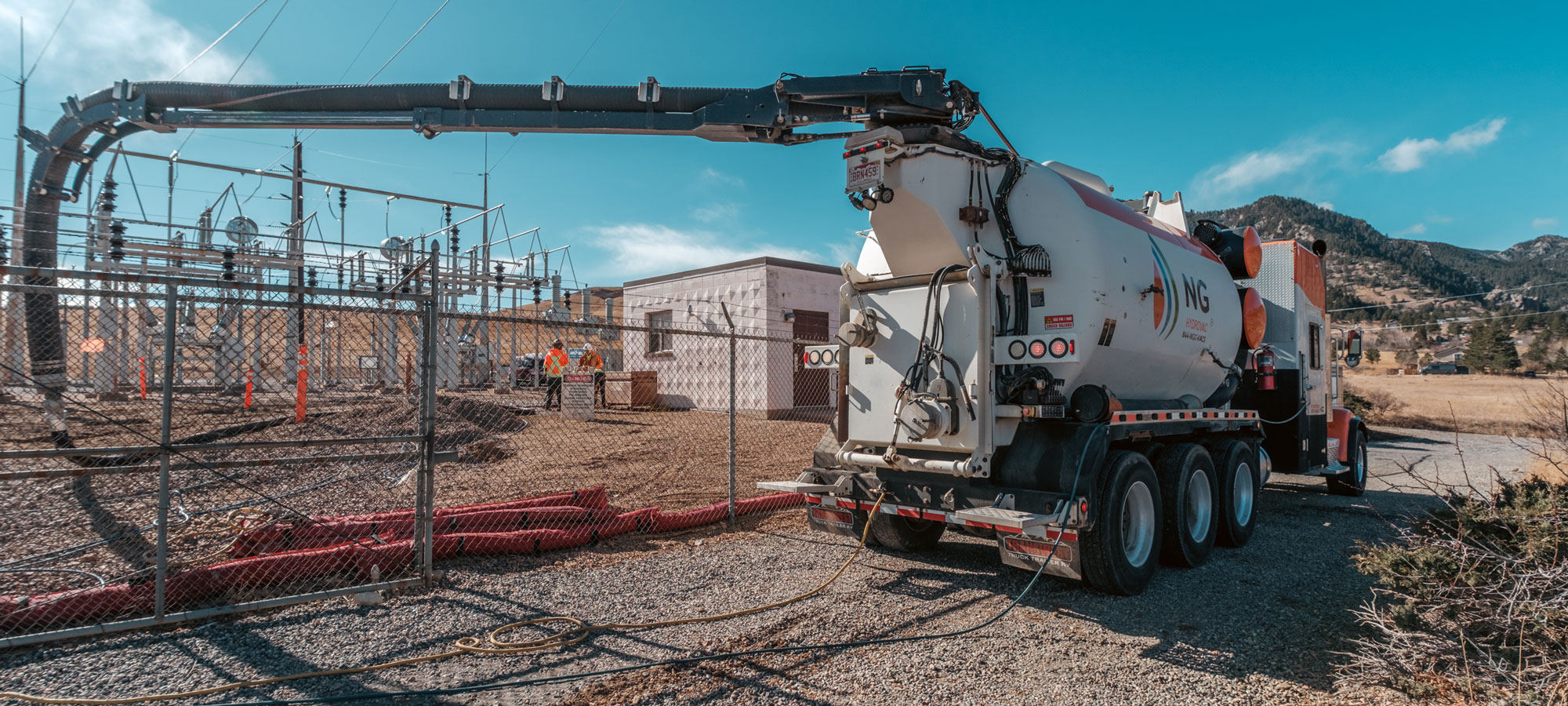
Construction projects often require excavation, but digging in areas with underground infrastructure can create serious risks. Beneath the surface of most job sites lies a network of utilities such as gas pipelines, water lines, fiber optic cables, and electrical conduits. If these systems are accidentally damaged, the result can be costly repairs, project delays, and potential safety hazards.
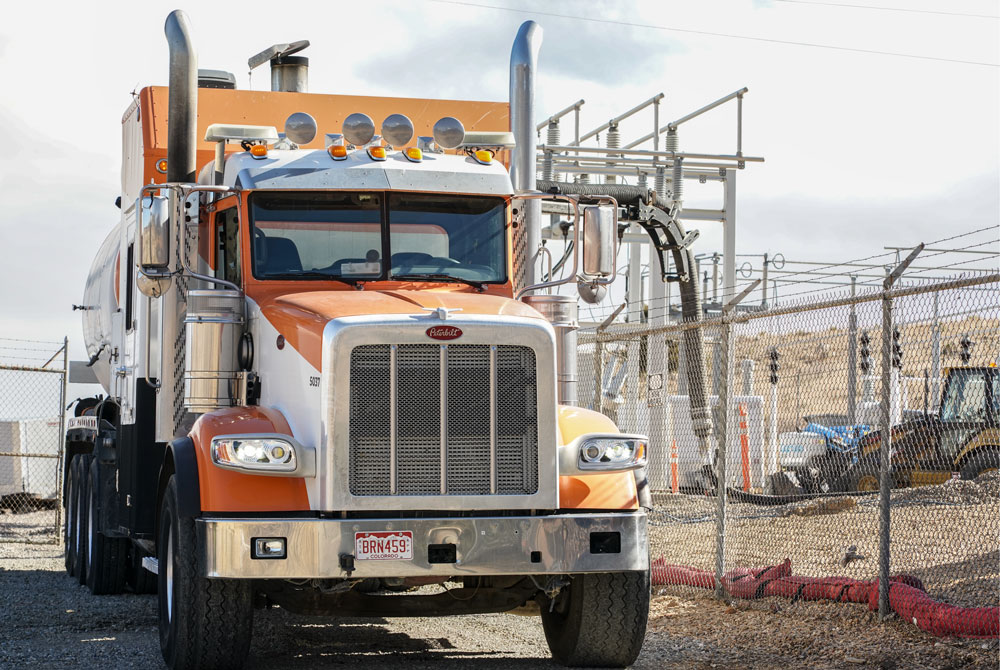
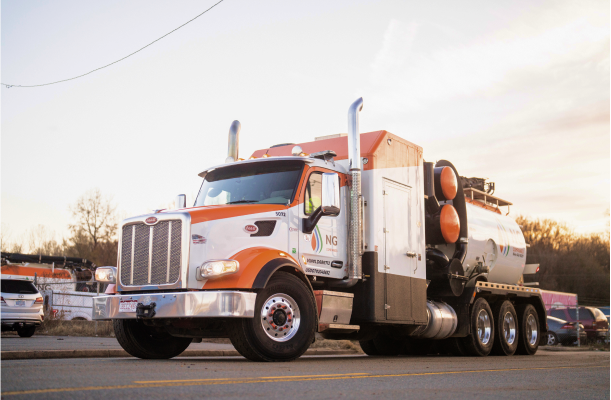
Because of these challenges, many contractors rely on hydrovac excavation when precision is required. Hydrovac technology uses pressurized water to break up soil while a powerful vacuum system removes the resulting slurry. This process allows crews to excavate safely around underground utilities without the need for traditional mechanical digging equipment.
Although hydrovac excavation can be useful in many situations, there are certain job site conditions where it becomes the safest and most efficient option. Below are seven common scenarios where contractors choose hydrovac excavation to protect infrastructure and improve project safety.
1. Utility Potholing and Daylighting
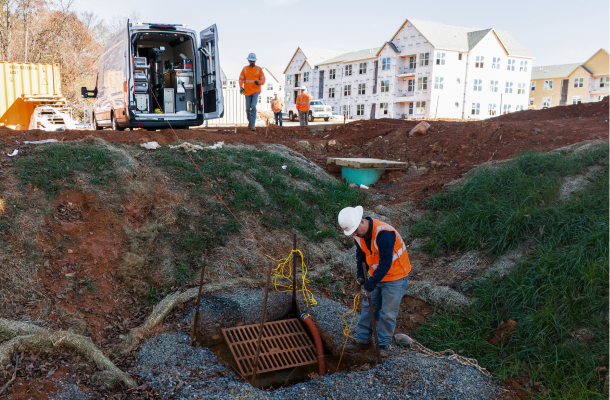
One of the most common uses for hydrovac excavation is utility potholing, also known as daylighting. Before construction begins, contractors often need to verify the exact location and depth of underground utilities.
While utility locating technologies can identify the approximate position of buried infrastructure, potholing allows crews to physically expose the utility so its position can be confirmed. Hydrovac excavation makes this process much safer because it removes soil with precision and minimizes the risk of damaging the utility line.
By daylighting utilities before excavation begins, contractors gain a clearer understanding of what lies underground. As a result, they can plan their work more accurately and reduce the risk of unexpected issues during construction.
2. Working Near Gas Lines or Fiber Optic Cables
Excavating near sensitive utilities requires a high level of care. Gas pipelines, fiber optic cables, and electrical conduits can be easily damaged by mechanical excavation equipment such as backhoes or trenchers. Hydrovac excavation offers a safer alternative in these situations. Because the process uses pressurized water instead of metal digging tools, crews can remove soil without applying direct force to the utility itself. This controlled excavation method helps protect critical infrastructure and allows contractors to work confidently in areas where traditional digging methods could create unnecessary risks.
3. Excavating in Congested Utility Corridors
Many urban construction sites contain multiple underground utility systems installed over several decades. In these congested utility corridors, different types of infrastructure may be located within a very small area. For example, a single section of ground might contain water pipes, sewer lines, telecommunications cables, and electrical conduits. Excavating in such environments with traditional equipment increases the chance of striking one of these utilities.
Hydrovac excavation provides greater control and precision in these situations. Crews can carefully remove soil layer by layer until each utility is exposed and identified. This careful approach helps prevent accidental damage and allows contractors to continue working safely in complex underground environments.
4. Excavating in Frozen Ground
Cold weather can present additional challenges for excavation projects. When soil freezes, it becomes much harder and more difficult to break apart using traditional digging methods. Hydrovac trucks are often equipped with systems that heat the water used during excavation. The heated water helps break through frozen soil more effectively, allowing crews to continue working even in winter conditions.
Because of this capability, hydrovac excavation is frequently used in colder regions where construction projects must continue despite seasonal weather conditions.
5. Working in Tight or Hard-to-Access Areas
Some job sites provide very limited space for heavy equipment. Excavation may be required near buildings, sidewalks, roadways, or other infrastructure where maneuvering large machinery is difficult. Hydrovac trucks offer a practical solution for these situations. The excavation process can be performed using long vacuum hoses and water lines, which allows the truck to remain at a safe distance from the excavation area.
This flexibility enables crews to work in tight spaces while minimizing disruption to surrounding structures or traffic. As a result, hydrovac excavation is often used for projects in dense urban areas or restricted construction zones.
6. Projects That Require Minimal Surface Disruption
Certain projects require excavation methods that minimize damage to the surrounding environment. Landscaping areas, public spaces, and environmentally sensitive locations often require careful excavation to avoid unnecessary disturbance. Hydrovac excavation is well-suited for these situations because it removes soil with precision and control. Instead of creating large trenches or removing large amounts of material, crews can focus on specific excavation points.
This targeted approach reduces the impact on the surrounding ground and helps preserve existing landscaping, pavement, or infrastructure.
7. Preventing Costly Utility Strikes
One of the biggest concerns during excavation is the risk of a utility strike. Damaging an underground utility line can lead to expensive repairs, project delays, and safety risks for workers and nearby communities. Utility strikes can also interrupt essential services such as electricity, water supply, or communications. In some cases, they may even cause environmental damage or regulatory penalties.
Hydrovac excavation helps reduce these risks by allowing crews to expose utilities safely before major digging begins. By confirming the exact location of underground infrastructure, contractors can avoid accidental damage and keep projects moving forward without costly interruptions.
Why Hydrovac Excavation Is Becoming the Preferred Method
As construction projects become more complex, the demand for safer excavation methods continues to grow. Underground infrastructure networks are expanding, and job sites often contain utilities installed many years apart. Because of these challenges, hydrovac excavation has become an important tool for contractors working around buried utilities. The technology allows crews to excavate with precision while reducing the risks associated with traditional digging methods. In addition to improving safety, hydrovac excavation can also increase efficiency. By accurately exposing utilities and preventing damage, contractors can avoid delays and keep projects on schedule.
Supporting Safer Construction Projects
Choose NG Companies for your next Project
Hydrovac excavation plays a key role in modern construction and infrastructure work. Whether contractors are daylighting utilities, working near sensitive pipelines, or excavating in frozen ground, hydrovac technology provides a safer and more controlled approach to excavation. By using hydrovac excavation in the right situations, project teams can protect underground utilities, improve job site safety, and reduce the likelihood of costly disruptions. As a result, hydrovac services continue to be an essential part of construction projects where precision, safety, and efficiency are critical.
Call us today to learn more about our services or to speak with our experts!

 About NG CompaniesLearn more about NG Companies’ values, missions, and why we’re the right choice to partner with you.
 SafetyLearn more about how we keep our people, our partners, and the public safe.
 NewsLearn more about how we keep our people, our partners, and the public safe.
 Our WorkTo learn the scope and caliber of NG Companies’ work, explore our proud body of work.
 OverviewDiscover how we deliver the highest level of damage prevention to ensure safety on all of your projects.
 Video Pipe InspectionLearn how we operate our 360° video pipe inspection to ensure accuracy and precision.
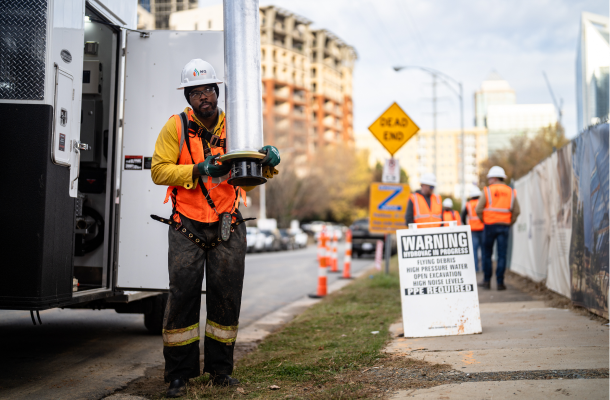 HydrovacUnderstand what sets NG Companies apart with leading and precise industry technology.
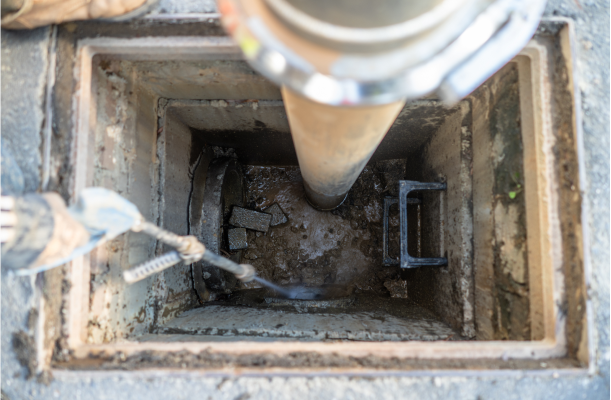 Hydro JettingLearn about NG Companies’ abilities to clear build-up and debris, damage assessment, and utility restoration.
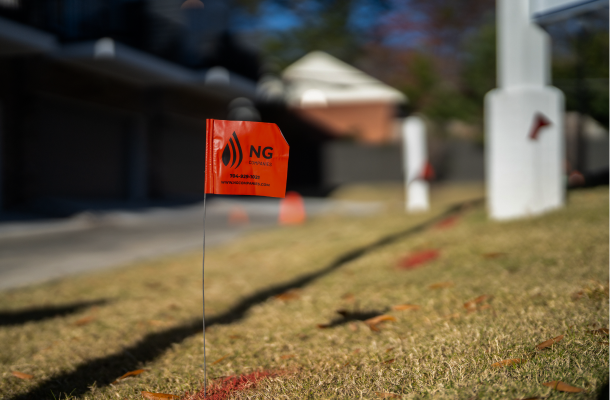 Utility LocatingNG Companies will provide swift and accurate utility locating services. Learn more about how we do it.
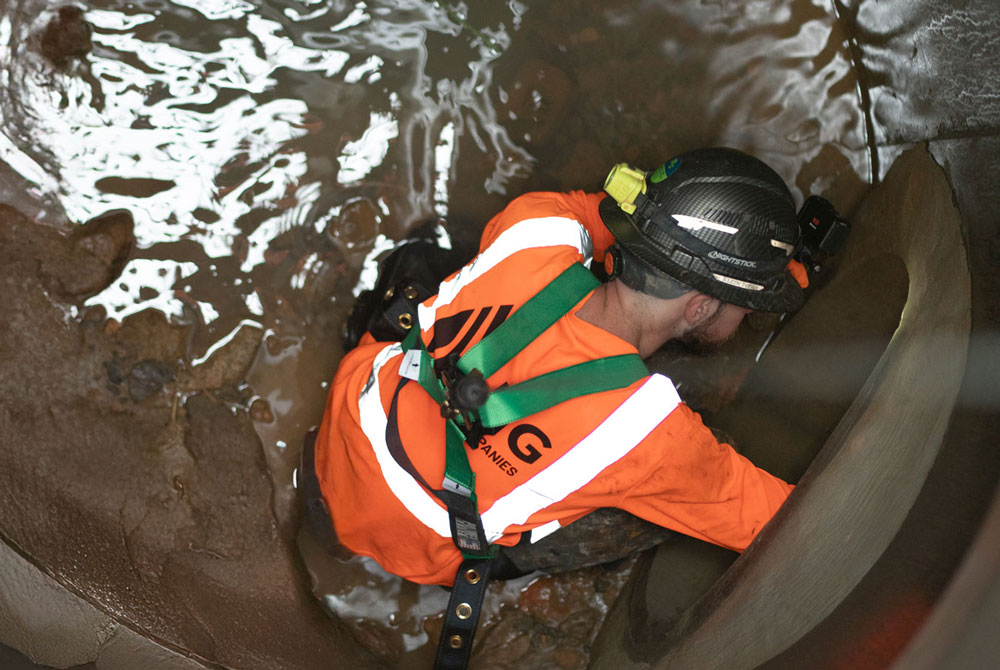 Trenchless Pipe RepairTrenchless pipe repair for fast, no-dig sewer and water line restoration with minimal disruption and lower costs.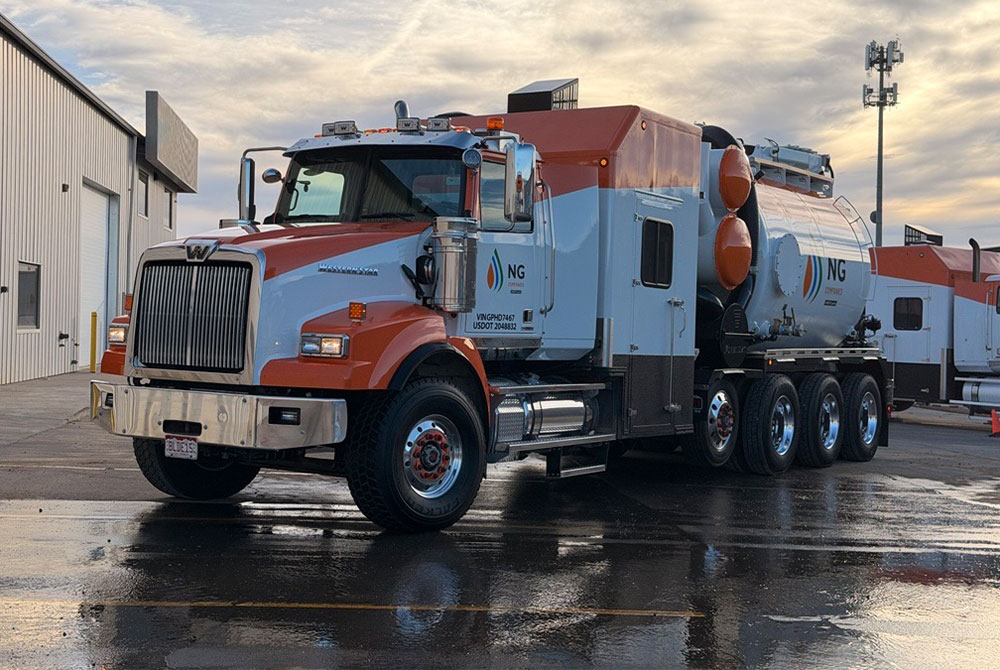


 All Posts