A blockage tells you where the problem is, but it does not always tell you why it happened. For contractors managing commercial, municipal, and civil infrastructure projects, that distinction matters. A recurring blockage may point to grease, sediment, sludge, roots, or other buildup inside the line. Simply opening the blockage may restore flow, but it may not address the material causing the problem.
Two common pipe cleaning methods are hydro jetting and snaking. Both can clear obstructions, but they work differently and serve different purposes. Understanding when to use each method can help contractors choose the right approach for the condition of the line and the needs of the project. Let’s dig into this subject to learn more.
Hydro Jetting vs. Snaking: What’s the Difference?
- Snaking, also called cabling or augering, uses a rotating cable to reach and break through a blockage. It can work well when a line has a specific obstruction that needs to be cleared. This method is also used to clear pipes in a house by plumbers, for example.
- Hydro jetting uses high-pressure water and a specialized nozzle to break apart and flush material from inside the pipe. Rather than simply creating a path through a blockage, jetting can clean buildup from a larger section of the pipe.
In simple terms: Snaking focuses on opening the blockage. Hydro jetting focuses on cleaning the pipe.
The right choice depends on the type of obstruction, pipe condition, access, and project requirements.
When Does Snaking Make Sense?
Snaking can be useful when crews identify a localized blockage that needs to be opened. For example, a contractor may use a cable to clear a specific obstruction and restore flow without performing a full pipe cleaning.
Snaking can make sense for:
- Localized blockages
- Smaller drain lines
- Specific obstructions
- Situations requiring a quick clearing method
- Lines that have already been evaluated
However, opening a blockage does not necessarily remove the material that has accumulated along the pipe walls. If the same line keeps clogging, contractors may need to look beyond the immediate obstruction.
When Does Hydro Jetting Make More Sense?
Hydro jetting becomes particularly useful when buildup affects more than one isolated section of the line. High-pressure water can break apart and flush out materials such as:
- Grease
- Sludge
- Sediment
- Debris
- Mineral buildup
- Other accumulated material
For commercial and municipal systems, that broader cleaning capability can make hydro jetting an important part of maintenance and rehabilitation planning. It can also help prepare a line for CCTV pipe inspection, giving the camera a clearer view of the interior.
A Real-World Contractor Scenario
Imagine a civil contractor working on a municipal sewer project. A section of the existing line has started backing up, so the crew initially snakes the line. Flow returns, but the same section develops another blockage several weeks later. Instead of continuing to clear the symptom, the contractor schedules a more thorough cleaning and CCTV inspection. The inspection shows significant buildup along the pipe walls.
At that point, hydro jetting can remove the accumulated material and give the inspection crew better visibility. The contractor can then use the cleaned line and CCTV findings to better understand its condition and determine what work may be needed next. The key difference is simple: clearing a blockage and cleaning a pipe are not always the same job.
Hydro Jetting Before CCTV Inspection
CCTV inspection gives contractors valuable information about the condition of an underground pipe. However, heavy grease, sediment, sludge, roots, or debris can obstruct the camera’s view. That is why contractors may clean the line before performing a CCTV inspection. A common workflow looks like this:
Clean → Inspect → Document → Plan
Hydro jetting can help remove material that interferes with visibility. Then, CCTV inspection can provide a clearer look at conditions such as:
- Cracks
- Joints
- Connections
- Buildup
- Intrusions
- Other visible pipe defects
This combination gives project teams more useful information when planning maintenance, rehabilitation, or repair.
Hydro Jetting Is Not a Substitute for Pipe Repair
Hydro jetting can remove buildup, but it does not fix structural damage. Before crews begin cleaning, they should consider the pipe’s material, condition, size, access, configuration, and the type of material inside the line.
A severely damaged or compromised pipe may require a different approach, and only experienced crews can select equipment and nozzle configurations based on the application rather than treating every pipe the same way.
That assessment matters on larger infrastructure projects, where the wrong approach can create unnecessary delays or affect an already compromised line.
What Should Contractors Consider?
The choice between hydro jetting and snaking should start with the condition of the line and the project objective. Ask yourself:
Is the goal to open one blockage, or does the line need a more thorough cleaning?
Snaking may be appropriate for a localized obstruction. Hydro jetting may be better suited to lines with significant buildup or recurring blockages. If the condition of the pipe is uncertain, CCTV inspection can provide additional information before the contractor determines the next step.
This approach helps crews treat the cause of the problem rather than repeatedly responding to the same symptom.
Why Experience Matters in Hydro Jetting
Hydro jetting involves more than sending pressurized water through a pipe. Crews need to consider the pipe, access point, blockage type, nozzle configuration, pressure requirements, debris, and overall site conditions. On commercial and municipal projects, they may also need to coordinate around traffic, active facilities, construction schedules, and other crews.
At NG Companies, our teams bring hydro jetting together with other underground infrastructure services, including CCTV pipe inspection. That means contractors can address line cleaning and inspection as connected parts of the same project. Our experience working around active infrastructure also helps us understand that every job has different access, scheduling, and site requirements.
Hydro Jetting or Snaking? Start With the Line
Hydro jetting and snaking each have a place in professional pipe cleaning. Snaking can help clear a localized obstruction, while hydro jetting can address buildup across a larger portion of the line. When contractors need to understand the condition of the pipe, CCTV inspection can provide another important layer of information.
The goal is not simply to get water moving again. It is to choose a method that fits the condition of the line and the project’s requirements.
If your project involves recurring blockages, heavy buildup, sewer line cleaning, or CCTV inspection, NG Companies can help you determine the right approach. Planning a pipe cleaning or inspection project? Contact NG Companies to discuss your project requirements and schedule the right service for your site.


 About NG CompaniesLearn more about NG Companies’ values, missions, and why we’re the right choice to partner with you.
 SafetyLearn more about how we keep our people, our partners, and the public safe.
 NewsLearn more about how we keep our people, our partners, and the public safe.
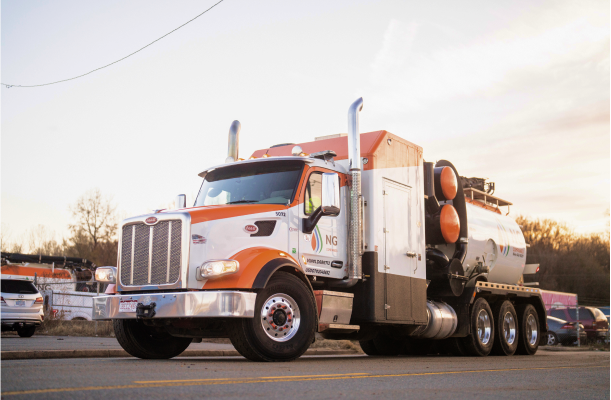 Our WorkTo learn the scope and caliber of NG Companies’ work, explore our proud body of work.
 OverviewDiscover how we deliver the highest level of damage prevention to ensure safety on all of your projects.
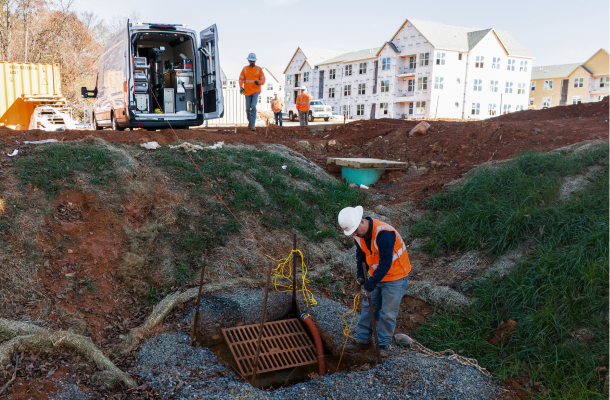 Video Pipe InspectionLearn how we operate our 360° video pipe inspection to ensure accuracy and precision.
 HydrovacUnderstand what sets NG Companies apart with leading and precise industry technology.
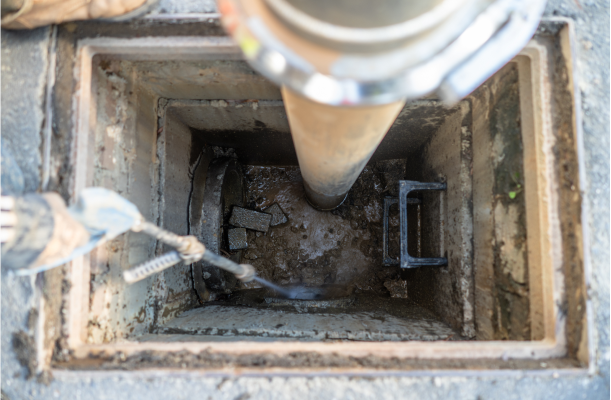 Hydro JettingLearn about NG Companies’ abilities to clear build-up and debris, damage assessment, and utility restoration.
 Utility LocatingNG Companies will provide swift and accurate utility locating services. Learn more about how we do it.
 Trenchless Pipe RepairTrenchless pipe repair for fast, no-dig sewer and water line restoration with minimal disruption and lower costs.


 All Posts