Traveling to the Job Site
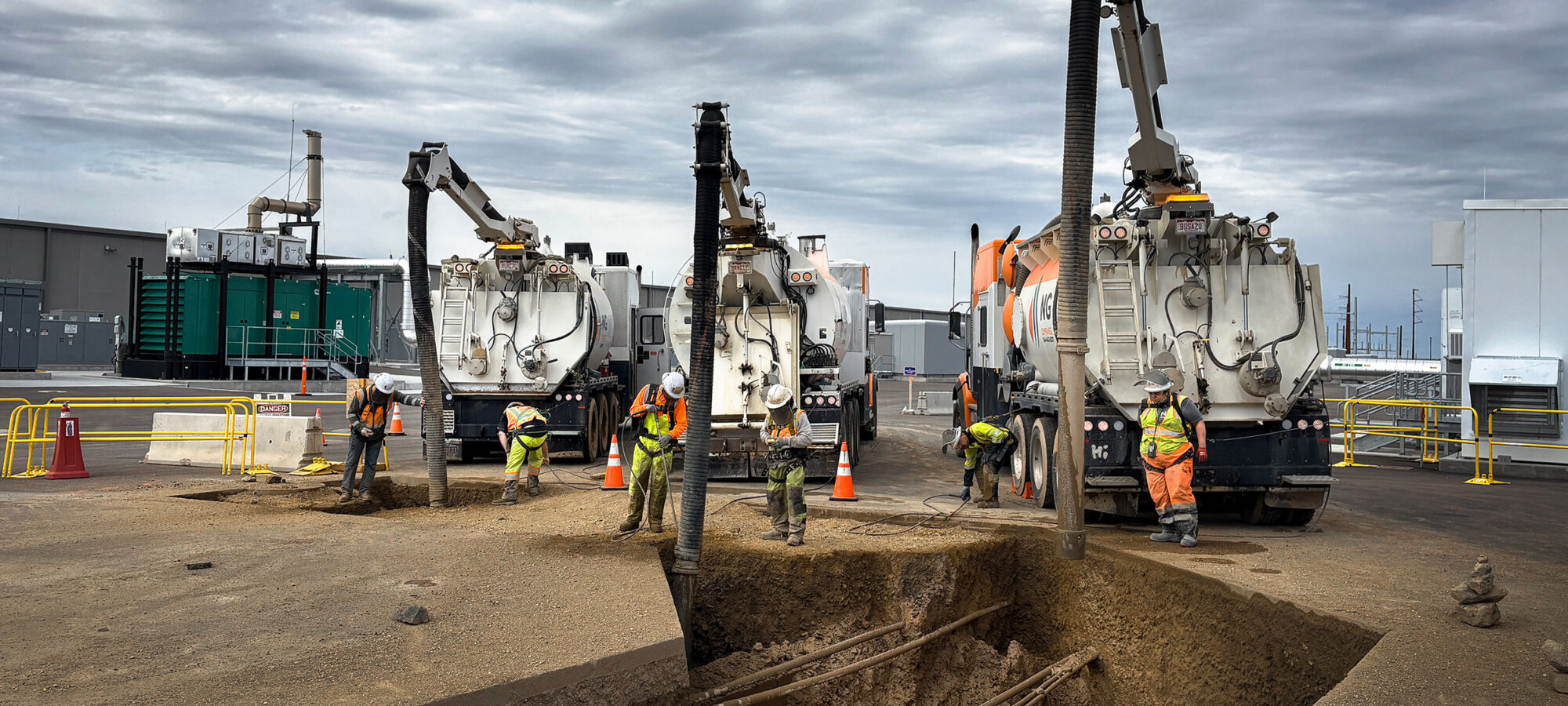
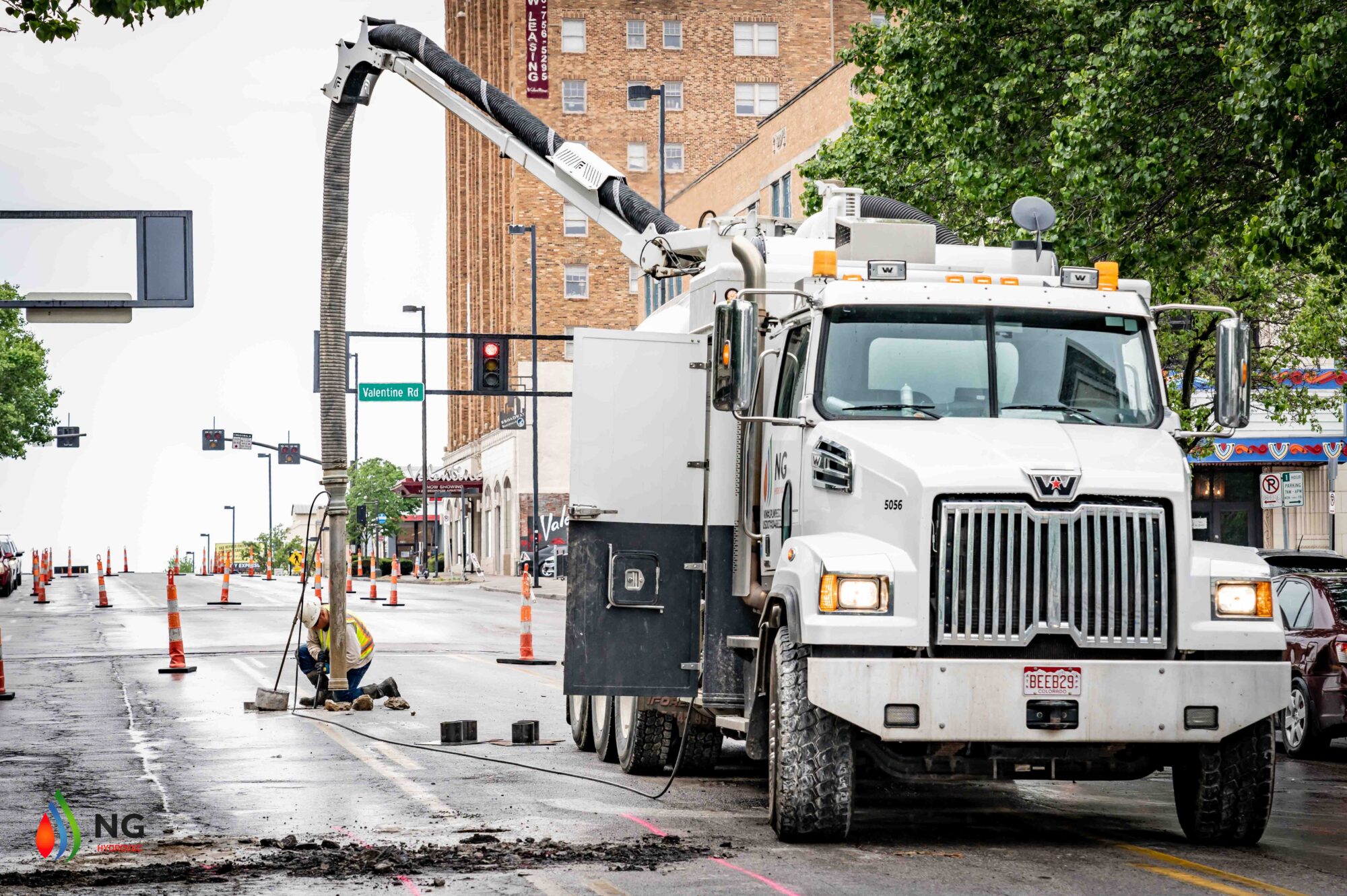
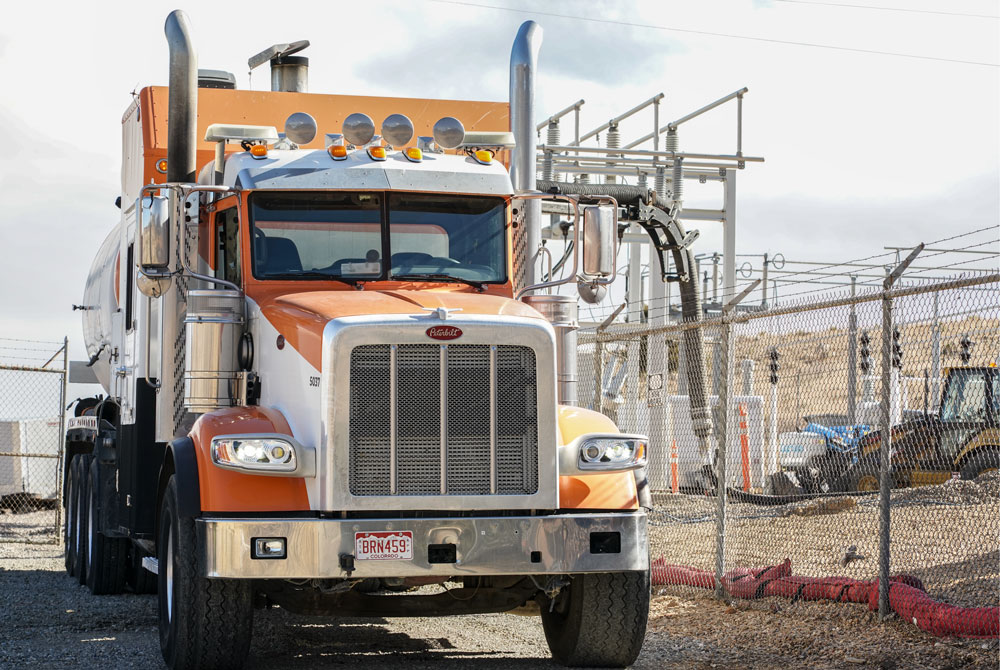
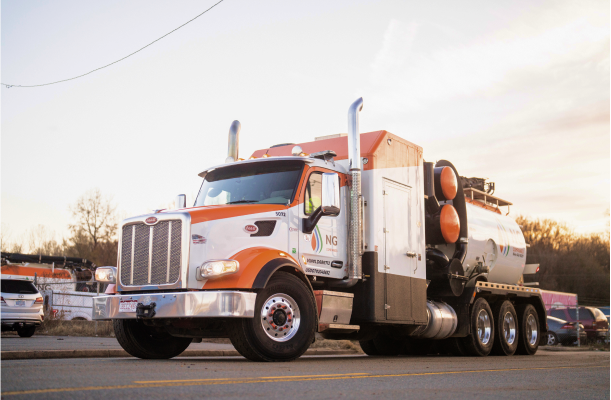
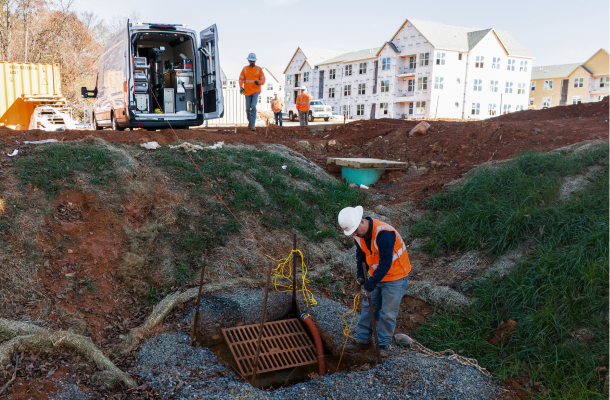
Once the equipment is ready, the crew heads to the project location. Hydrovac jobs can take place in many different environments. Some projects are located along busy roads or highways, while others occur in residential neighborhoods, construction zones, or industrial facilities.
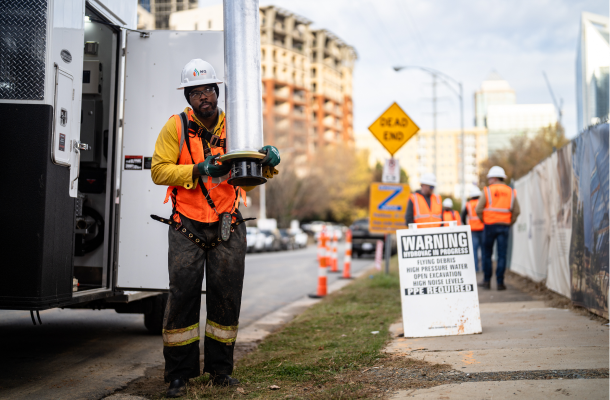
Because hydrovac trucks are large and powerful pieces of equipment, positioning the truck correctly at the job site is important. The operator must consider traffic flow, accessibility, and safety for nearby workers. In some cases, traffic control measures such as cones, signs, or flaggers may be required before work can begin.
Taking the time to properly set up the site helps create a safer working environment for everyone involved.
Reviewing the Work Plan
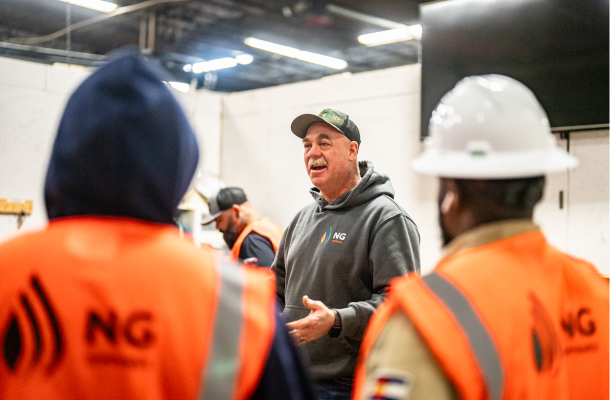
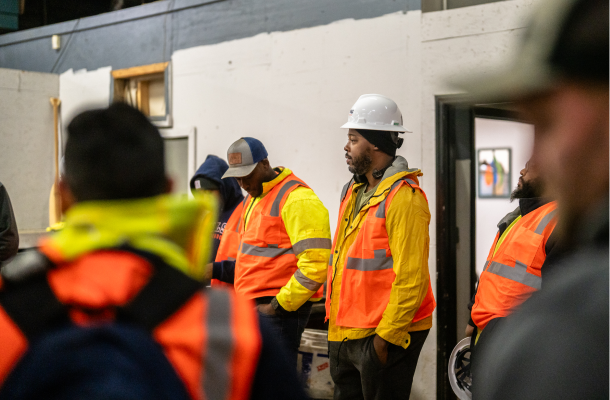
After arriving on site, the crew meets with the contractor, project supervisor, or utility representative to review the scope of work. This step is critical because it ensures everyone understands the objectives of the project before excavation begins.
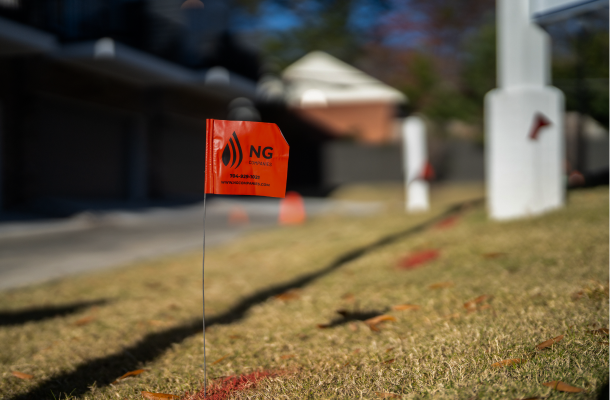
For many hydrovac jobs, the goal is utility daylighting, also known as potholing. Daylighting involves carefully removing soil so crews can visually confirm the exact location and depth of underground utilities. This information helps contractors avoid damaging critical infrastructure during excavation or construction activities.
At this stage, crews may review utility maps, markings, or previous locating results. They also discuss the safest excavation method and confirm where potholes should be placed.
Clear communication during this phase helps prevent mistakes and ensures the project runs smoothly.
Beginning the Hydrovac Excavation Process
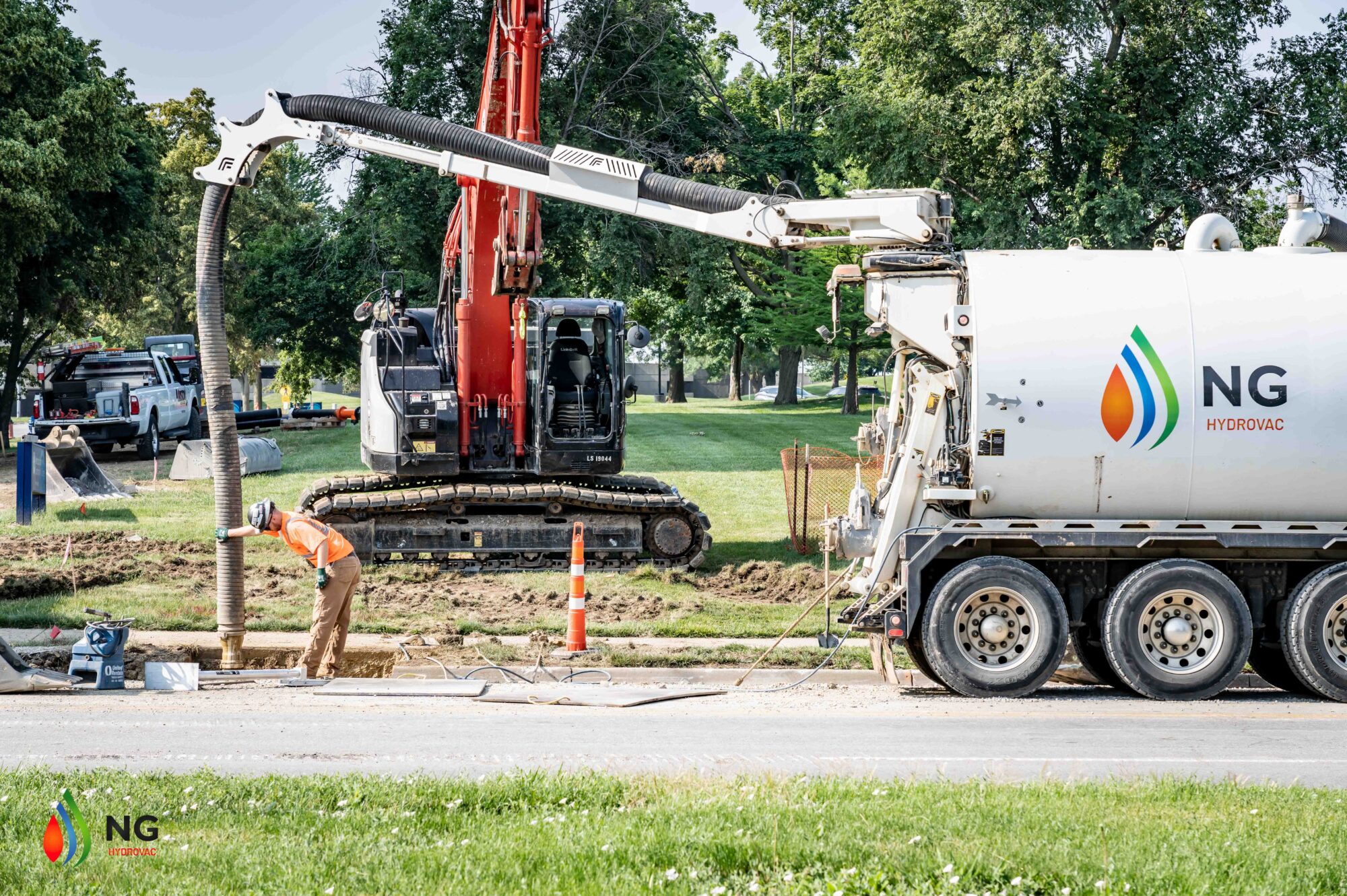
Once the plan is confirmed, the crew begins the excavation process. Hydrovac trucks use a combination of pressurized water and a powerful vacuum system to safely remove soil from the ground.
First, the operator uses a handheld wand to direct a stream of high-pressure water at the ground surface. The water loosens and breaks apart the soil without the need for mechanical digging equipment. At the same time, a large vacuum hose removes the mixture of soil and water, often referred to as slurry.
This slurry is then transported through the vacuum hose and stored in the truck’s debris tank. As the excavation continues, the crew gradually removes soil until the underground utility is exposed.
Because the process is precise and controlled, hydrovac excavation allows crews to work safely around sensitive infrastructure.
Exposing Underground Utilities Safely
Hydrovac excavation is widely used for projects involving underground utilities because it significantly reduces the risk of damage. Traditional excavation methods, such as using backhoes or mechanical trenchers, can accidentally strike buried lines if their exact location is unknown.
In contrast, hydrovac excavation allows crews to carefully uncover utilities with minimal disturbance to the surrounding soil.
Common utilities exposed during hydrovac projects include:
- Natural gas pipelines
- Fiber optic communication cables
- Water and sewer lines
- Electrical conduits
- Telecommunications infrastructure
As the crew approaches a known utility line, the excavation process becomes slower and more precise. The goal is to expose the utility fully while keeping it intact and undamaged.
Monitoring Safety and Site Conditions
Throughout the excavation process, the hydrovac crew continuously monitors the job site for safety and efficiency. Working around underground utilities requires constant awareness and careful coordination.
Several factors can affect how the excavation proceeds. For example, soil type plays an important role in how easily the ground breaks apart under pressurized water. Clay soils, rocky terrain, or compacted ground may require adjustments to the excavation approach.
Weather conditions can also influence the job. In colder climates, frozen ground may require heated water systems to break up the soil effectively.
Meanwhile, the crew stays in communication with contractors and site supervisors to ensure the work aligns with the overall construction schedule.
Completing the Excavation Work
Once the utility has been safely exposed and the required inspection or installation work is complete, the hydrovac crew begins preparing the site for the next stage of the project.
In some cases, the excavated area will be backfilled immediately after the work is finished. In other situations, the hole may remain open so engineers, inspectors, or contractors can continue their work.
Regardless of the project requirements, the crew makes sure the area is left in a safe condition before leaving the site.
Cleaning Up and Preparing for the Next Job
At the end of the excavation process, the crew performs a final cleanup of the work area. This step may include removing traffic control equipment, organizing hoses, and ensuring that the job site is safe for other workers.
The debris tank on the hydrovac truck is also managed carefully. The collected slurry must be transported and disposed of according to environmental regulations and project guidelines.
Once the equipment is secured, the crew prepares the truck for the next job site. Some hydrovac teams may complete several projects in a single day, depending on the complexity of the work.
The Important Role of Hydrovac Crews
Hydrovac excavation has become a vital part of construction and infrastructure projects across North America. By using water and vacuum technology instead of mechanical digging, hydrovac crews can safely expose underground utilities with minimal risk of damage.
This process not only protects critical infrastructure but also helps contractors avoid costly repairs, project delays, and safety hazards.
Although much of the work happens behind the scenes, hydrovac crews play an essential role in keeping construction projects running smoothly and safely.
Contact us today to learn more about our hydrovac service!

 About NG CompaniesLearn more about NG Companies’ values, missions, and why we’re the right choice to partner with you.
 SafetyLearn more about how we keep our people, our partners, and the public safe.
 NewsLearn more about how we keep our people, our partners, and the public safe.
 Our WorkTo learn the scope and caliber of NG Companies’ work, explore our proud body of work.
 OverviewDiscover how we deliver the highest level of damage prevention to ensure safety on all of your projects.
 Video Pipe InspectionLearn how we operate our 360° video pipe inspection to ensure accuracy and precision.
 HydrovacUnderstand what sets NG Companies apart with leading and precise industry technology.
 Hydro JettingLearn about NG Companies’ abilities to clear build-up and debris, damage assessment, and utility restoration.
 Utility LocatingNG Companies will provide swift and accurate utility locating services. Learn more about how we do it.
 Trenchless Pipe RepairTrenchless pipe repair for fast, no-dig sewer and water line restoration with minimal disruption and lower costs.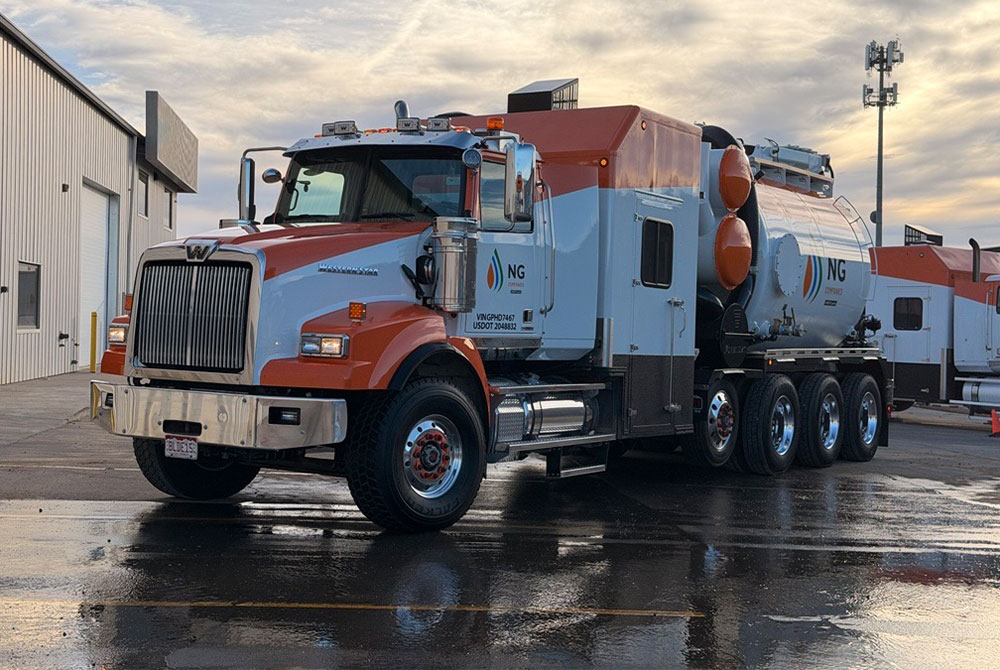


 All Posts