Maintaining a reliable sewer system requires more than responding to emergencies. Every year, municipalities must decide which sewer lines need immediate attention, which can wait, and where limited budgets will have the greatest impact. To make these decisions with confidence, many cities rely on CCTV sewer inspection data. Instead of guessing which underground assets are failing, municipalities use high-definition camera inspections to evaluate pipe conditions, identify defects, and prioritize repairs based on risk. As a result, they can prevent costly failures, extend the life of their infrastructure, and improve service for residents.
At NG Companies, we provide professional CCTV sewer inspections that deliver the accurate data municipalities need to build proactive maintenance plans and make informed infrastructure investments.
Why Municipalities Use CCTV Sewer Inspection Data
Traditional reactive maintenance often leads to emergency repairs, unexpected road closures, and higher construction costs. By contrast, a proactive CCTV sewer inspection program allows municipalities to detect problems before they become emergencies. As a result, public works departments can reduce emergency repairs, extend the lifespan of underground infrastructure, protect the environment, and allocate maintenance budgets more effectively. Instead of reacting to failures, cities can prioritize repairs based on the actual condition of their sewer system.
What Is a CCTV Sewer Inspection?
A CCTV sewer inspection uses a remotely operated camera to travel through underground pipelines while recording high-resolution video of the pipe’s interior. During the inspection, operators evaluate the overall condition of the sewer line and document defects such as:
- Cracks and fractures
- Root intrusion
- Joint separation
- Corrosion
- Offset joints
- Grease buildup
- Debris blockages
- Pipe deformation
- Infiltration and inflow (I&I)
Because technicians inspect the pipeline from the inside, municipalities receive a detailed assessment without unnecessary excavation. Consequently, they can identify potential problems early and schedule maintenance before small issues become costly failures.
How Municipalities Prioritize Sewer Repairs
Once municipalities collect CCTV sewer inspection data, engineers and asset managers analyze the information to determine which repairs require immediate attention and which projects can wait. Rather than replacing every aging pipe, they evaluate each asset based on its condition, location, and overall risk. This data-driven approach allows municipalities to maximize limited budgets while reducing the likelihood of unexpected failures.
Identify Critical Defects First
Not every damaged pipe presents the same level of risk. Therefore, municipalities first identify defects that could lead to pipe failure, sanitary sewer overflows, or public safety concerns. Large structural cracks, collapsed pipe sections, severe joint failures, and extensive root intrusion often require immediate attention because they significantly increase the risk of system failure.
By identifying these issues early, municipalities can address the most critical assets before they disrupt service or require expensive emergency repairs.
Evaluate Risk Instead of Age Alone
Although older sewer systems often require additional maintenance, municipalities do not prioritize repairs based solely on age. Instead, engineers consider several factors, including the pipe’s structural condition, maintenance history, location, material, and the number of residents or businesses it serves. For example, a damaged sewer main beneath a busy roadway, hospital, or school typically receives higher priority than a similar defect located in a low-traffic area. As a result, municipalities can invest their resources where repairs will have the greatest impact on public safety and service reliability.
Develop Long-Term Maintenance Plans
Rather than waiting for residents to report backups or flooding, municipalities use CCTV inspection data to create preventive maintenance schedules. These plans often include routine inspections, hydro jetting, root removal, rehabilitation projects, and long-term capital improvements. Consequently, cities improve budget forecasting, reduce emergency repairs, and extend the service life of their underground infrastructure. Over time, this proactive approach also helps minimize disruptions for residents and businesses.
Improve Asset Management with Reliable Inspection Data
Many municipalities manage hundreds or even thousands of miles of underground sewer infrastructure. Without accurate inspection data, tracking the condition of every pipe becomes extremely difficult. Fortunately, CCTV sewer inspections provide detailed records that support comprehensive asset management programs. Inspection reports typically include:
- Inspection dates
- Video recordings
- Pipe condition ratings
- Defect locations
- Repair recommendations
- Historical maintenance records
Over time, this information helps engineers monitor deterioration, identify recurring issues, forecast future maintenance needs, and make more informed infrastructure decisions.
Prevent Sanitary Sewer Overflows Before They Happen
Sanitary sewer overflows rarely occur without warning. In most cases, pipes deteriorate gradually due to root intrusion, grease accumulation, structural cracking, joint separation, or debris blockages. Fortunately, CCTV sewer inspections allow municipalities to identify these problems before they cause backups, environmental contamination, or road closures. By repairing defects early, cities can protect public health, reduce cleanup costs, and maintain reliable sewer service for their communities.
Choose Rehabilitation When Replacement Isn’t Necessary
CCTV inspection data also helps municipalities determine whether a sewer pipe requires complete replacement or whether rehabilitation offers a more cost-effective solution. In many cases, trenchless rehabilitation restores the pipe while minimizing excavation, traffic disruptions, and construction costs. Depending on the condition of the pipeline, municipalities may choose solutions such as Cured-In-Place Pipe (CIPP) lining, spot repairs, joint sealing, or targeted section replacements. As a result, they can extend the life of existing infrastructure while making the most of available funding.
Pair Hydro Jetting with CCTV Inspections
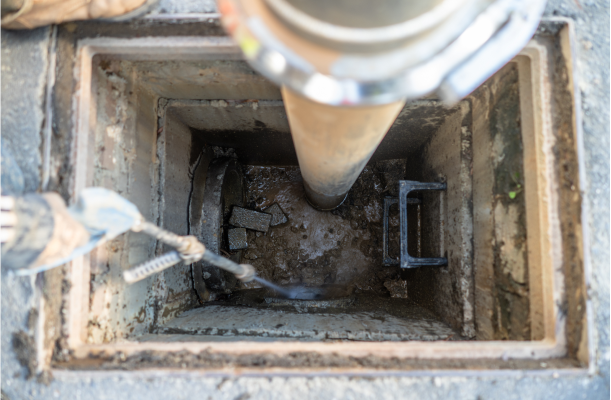
Many municipalities combine hydro jetting with CCTV inspections because cleaning the pipe first significantly improves inspection accuracy. High-pressure water removes grease, roots, sediment, and other debris that could obstruct the camera’s view. After cleaning the pipeline, technicians perform the CCTV inspection, document structural defects, and provide detailed recommendations. This process produces clearer inspection footage and gives municipalities the reliable information they need to prioritize repairs with confidence.
Support Smarter Budget Decisions
Municipal infrastructure budgets rarely allow every aging sewer line to be replaced at once. Therefore, decision-makers rely on CCTV inspection reports to justify repair priorities and allocate funding strategically. Rather than making decisions based on assumptions, engineers use documented pipe conditions, defect severity, and inspection data to support capital improvement plans, grant applications, and annual maintenance budgets. Consequently, municipalities can focus investments on the infrastructure that needs attention most while demonstrating responsible stewardship of public funds.
Why Municipalities Partner with NG Companies
NG Companies helps municipalities protect critical underground infrastructure through professional CCTV sewer inspection services. Our experienced operators collect accurate inspection data, produce detailed reports, and help public works departments confidently identify maintenance priorities. Whether your team needs to inspect aging sewer mains, evaluate newly installed infrastructure, or support a long-term asset management program, NG Companies delivers reliable information to help you make informed decisions and improve your sewer system’s performance.
Schedule Professional CCTV Sewer Inspections with NG Companies
A proactive sewer maintenance program starts with accurate data. If your municipality wants to improve sewer maintenance planning, optimize infrastructure spending, or strengthen its asset management program, NG Companies is ready to help. Contact us today to schedule a professional CCTV sewer inspection and gain the insights needed to make smarter, data-driven decisions for your sewer infrastructure.
 About NG CompaniesLearn more about NG Companies’ values, missions, and why we’re the right choice to partner with you.
 SafetyLearn more about how we keep our people, our partners, and the public safe.
 NewsLearn more about how we keep our people, our partners, and the public safe.
 Our WorkTo learn the scope and caliber of NG Companies’ work, explore our proud body of work.
 OverviewDiscover how we deliver the highest level of damage prevention to ensure safety on all of your projects.
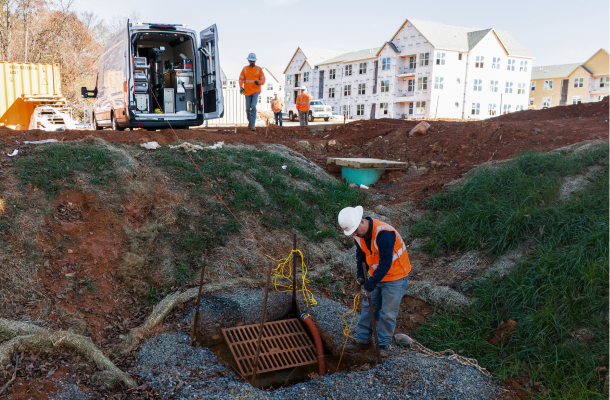 Video Pipe InspectionLearn how we operate our 360° video pipe inspection to ensure accuracy and precision.
 HydrovacUnderstand what sets NG Companies apart with leading and precise industry technology.
 Hydro JettingLearn about NG Companies’ abilities to clear build-up and debris, damage assessment, and utility restoration.
 Utility LocatingNG Companies will provide swift and accurate utility locating services. Learn more about how we do it.
 Trenchless Pipe RepairTrenchless pipe repair for fast, no-dig sewer and water line restoration with minimal disruption and lower costs.


 All Posts


