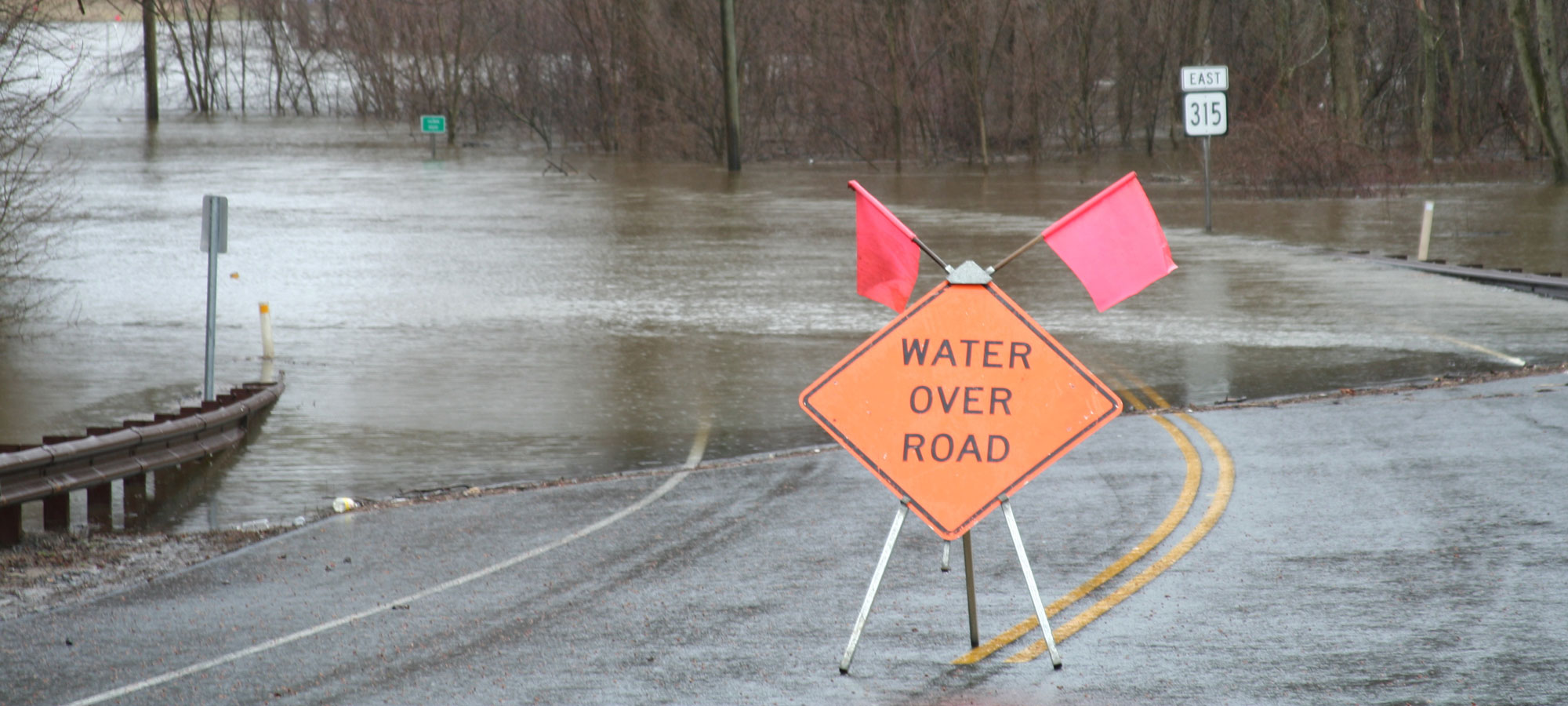
Heavy rain can quickly overwhelm stormwater systems that are not properly maintained. When drains, culverts, and underground pipelines are already carrying debris, sediment, or structural damage, even a brief storm can lead to severe flooding, backups, and costly emergency repairs. For municipalities, industrial facilities, and commercial properties, preparing stormwater infrastructure before the heavy rain season is one of the most effective ways to avoid operational disruptions and protect surrounding assets.
NG Companies supports infrastructure teams by helping them inspect, clean, and maintain underground stormwater systems before weather conditions become a problem.
Why Stormwater Systems Struggle During Heavy Rain
Stormwater infrastructure is engineered to move large volumes of water quickly, but over time, its performance naturally declines. Several factors contribute to this baseline deterioration:
- Sediment Accumulation: Sand, dirt, and silt settle inside pipes, reducing the total volume of water the pipe can carry.
- Debris and Litter: Trash, leaves, and branches collect in catch basins, blocking the entry points of the system.
- Industrial Waste and Grease: Thick runoff can restrict flow by coating the inner walls of pipelines.
- Root Intrusion: Seeking moisture, tree roots grow into pipe joints, creating partial or complete underground blockages.
These issues often go unnoticed until heavy rainfall suddenly increases demand on the system. When that happens, the water has nowhere to go, resulting in surface flooding, standing water, and immense pressure on surrounding infrastructure. In older or rapidly growing areas, the problem becomes even more serious because legacy systems were not always designed for current capacity and urban density needs.
Why Preparation Matters Before Storm Season
Preparing stormwater infrastructure ahead of heavy rainfall is about preventing failure before it happens. Once a storm is underway, maintenance becomes entirely reactive, highly expensive, and severely limited by dangerous weather conditions.
When systems are inspected and cleaned in advance, maximum flow capacity is restored, and latent weak points are identified early. This allows critical repair work to be scheduled properly instead of being rushed during an active emergency. It also reduces the risk of repeated flooding in the same locations, which is often a symptom of deeper, structural underground issues. For cities, property managers, and contractors, a proactive approach is significantly more cost-effective than responding after a system failure.
How Stormwater Systems Are Properly Prepared
A complete stormwater preparation plan relies on a modern, multi-tiered approach to ensure underground readiness.
1. CCTV Pipeline Inspections
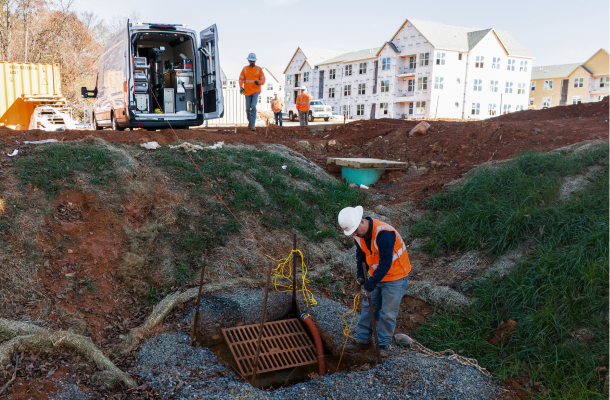
A comprehensive plan always starts with a detailed inspection of the underground infrastructure. CCTV pipeline inspections are commonly used because they allow crews to see inside storm drains and sewer lines without the need for destructive excavation. High-definition cameras reveal blockages, pipe cracks, root intrusion, and structural issues before they cause major failures.
2. High-Pressure Hydro Jetting
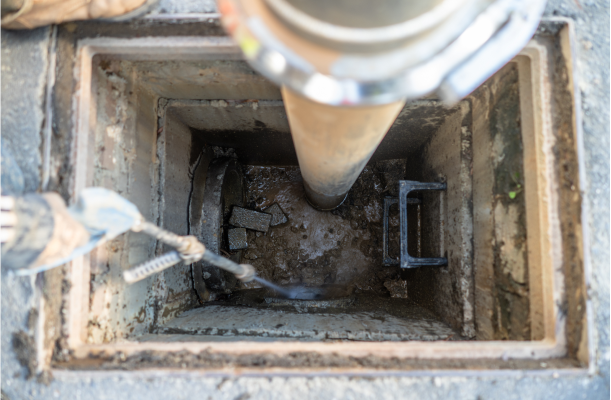
Once problem areas are identified, thorough cleaning is the next step. Hydro jetting is one of the most effective methods for removing built-up debris inside stormwater pipelines. By utilizing high-pressure water streams, technicians can clear stubborn sediment, grease, and heavy obstructions, fully restoring proper flow through the system.
3. Hydrovac Excavation for Deep Drains and Severe Blockages
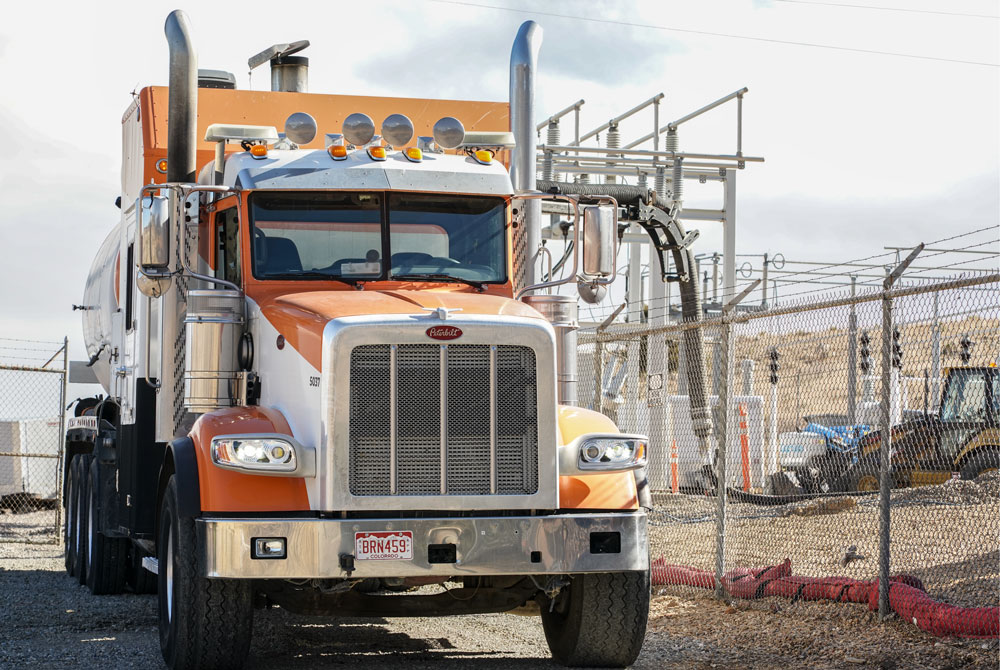
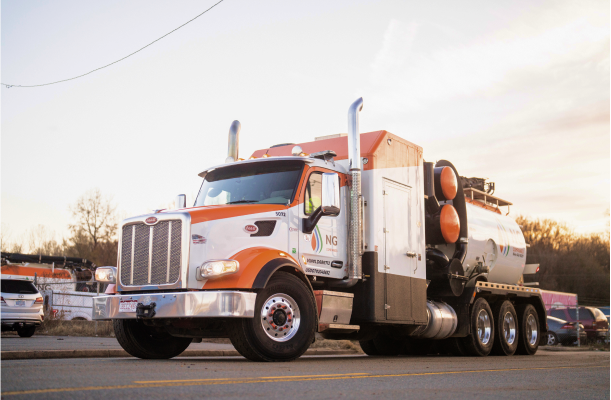
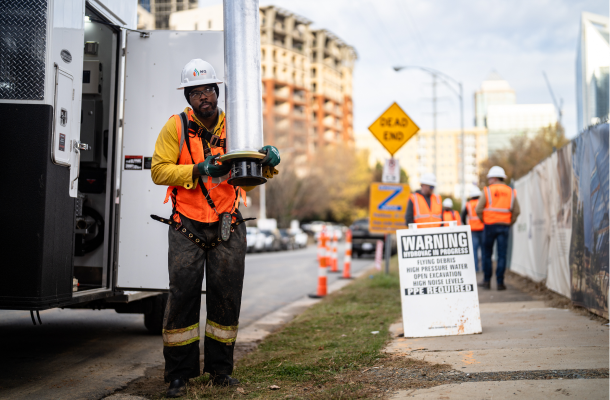
When storm drains and catch basins are completely choked with heavy mud, gravel, or compacted debris, traditional flushing methods aren’t always enough to clear the line. In these critical scenarios, hydrovac excavation serves as an incredibly powerful tool for unclogging drains. The system uses high-pressure water to safely break apart stubborn, hardened blockages while a massive, truck-mounted vacuum simultaneously suctions the sludge and debris completely out of the system. This immediate removal prevents the clog from moving further down the line and causing secondary blockages.
Additionally, because the process is entirely non-destructive, it allows crews to clear deep obstructions or expose buried infrastructure safely without risking damage to adjacent utility lines (an essential advantage in congested urban centers or busy industrial complexes).
Together, these services create a complete approach to stormwater system readiness: inspect, clean, and repair before heavy rain puts the system under stress.
When Stormwater Preparation Should Happen
The best time to prepare stormwater infrastructure is well before seasonal rainfall begins in your specific region. Timing varies depending on geographic location:
- Early Spring: Ideal for regions facing heavy spring thaws and seasonal storms.
- Late Spring / Early Summer: Crucial for areas affected by summer monsoon periods or the Atlantic hurricane season.
- Late Fall: Necessary for regions prone to heavy winter rain cycles.
What matters most is completing inspections and cleaning early enough to allow ample time for structural repairs if deeper issues are discovered. Waiting until storms are actively forecasted limits what can realistically be achieved.
Warning Signs a System is Not Ready for Heavy Rain
Stormwater systems usually show warning signs before total failure occurs. Property managers and municipal teams should watch for these early indicators heading into a heavy rain period:
- Slow Drainage: Water takes an unusually long time to recede during light or routine rainfall.
- Surface Pooling: Standing water frequently collects near storm drains and catch basins.
- Localized Flooding: The same street corners, parking lots, or low points flood repeatedly during minor weather events.
- Odors and Visible Blockages: Foul smells or visible piles of trash and organic matter collecting at drain openings.
These signs should not be ignored, as they indicate the system is already operating under a deficit before peak demand hits.
The Cost of Reacting vs. Preparing
When stormwater systems fail during heavy rain, the financial and operational costs escalate rapidly.
| Reactive Maintenance (Emergency) |
Proactive Maintenance (Planned) |
| Emergency crews deployed at premium, after-hours rates. |
Work is scheduled during standard business hours for optimal efficiency. |
| Potential road, facility, or job site closures. |
Minimal disruption to daily operations and traffic flow. |
| Temporary pumping systems required to control immediate water flow. |
Infrastructure utilizes its own fully restored natural capacity. |
| Repairs performed under time pressure and hazardous weather conditions. |
Repairs completed thoroughly with proper inspection and quality control. |
By comparison, planned maintenance allows work to be budgeted efficiently, inspected thoroughly, and completed without emergency constraints. Most importantly, it protects your property from the liabilities of unexpected flooding shutdowns.
Building a Reliable Stormwater Maintenance Strategy
A strong stormwater maintenance strategy focuses on consistency rather than one-time fixes. Regular inspections, routine cleaning cycles, and targeted repairs help keep systems functioning properly year-round instead of only reacting when problems appear. For municipalities and industrial facilities, this approach ensures infrastructure is perpetually ready for heavy rain seasons, shifting the corporate culture from damage control to asset preservation.
Take Action Before the Storm
Stormwater systems perform best when they are maintained before peak demand, not after issues appear. Preparing infrastructure ahead of heavy rain seasons helps reduce flooding risk, extend system lifespan, and avoid costly emergency repairs. With advanced inspection, precision cleaning, and hydrovac excavation support from NG Companies, your infrastructure teams can stay ahead of seasonal weather challenges and keep critical systems operating exactly as intended when they are needed most.
Don’t wait for the next major storm to test your infrastructure. Contact the team at NG Companies today to schedule your pre-season inspection and secure your facility’s readiness.


 About NG CompaniesLearn more about NG Companies’ values, missions, and why we’re the right choice to partner with you.
 SafetyLearn more about how we keep our people, our partners, and the public safe.
 NewsLearn more about how we keep our people, our partners, and the public safe.
 Our WorkTo learn the scope and caliber of NG Companies’ work, explore our proud body of work.
 OverviewDiscover how we deliver the highest level of damage prevention to ensure safety on all of your projects.
 Video Pipe InspectionLearn how we operate our 360° video pipe inspection to ensure accuracy and precision.
 HydrovacUnderstand what sets NG Companies apart with leading and precise industry technology.
 Hydro JettingLearn about NG Companies’ abilities to clear build-up and debris, damage assessment, and utility restoration.
 Utility LocatingNG Companies will provide swift and accurate utility locating services. Learn more about how we do it.
 Trenchless Pipe RepairTrenchless pipe repair for fast, no-dig sewer and water line restoration with minimal disruption and lower costs.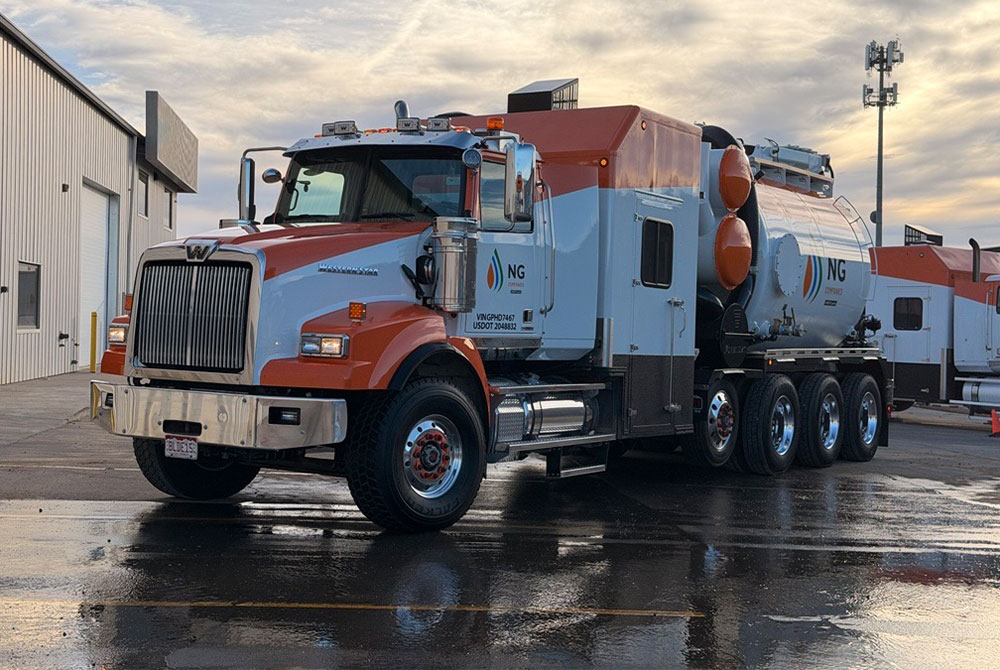


 All Posts