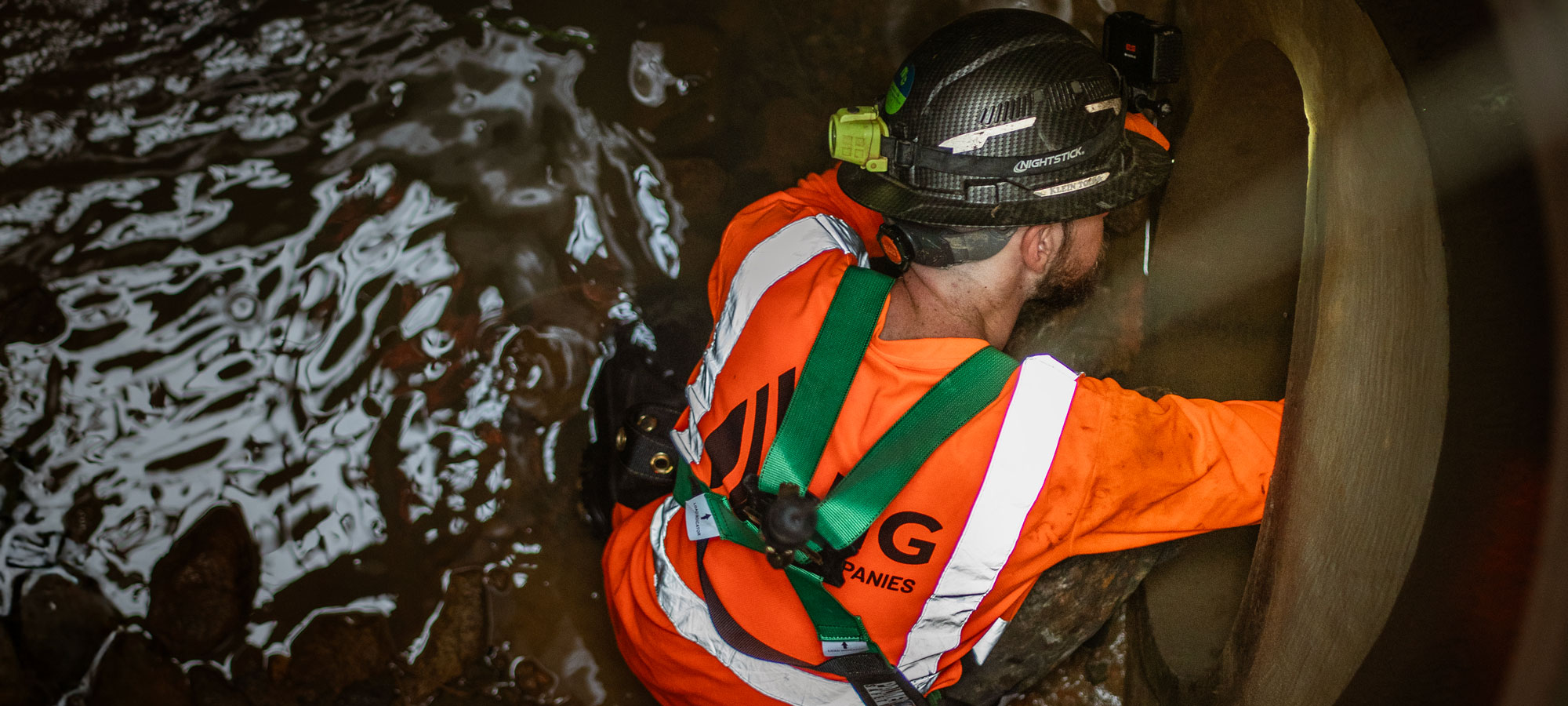
The Challenge of Aging Sewer Systems
Many sewer systems in older cities were built decades ago using materials like clay, cast iron, and early concrete. Although these systems were designed for long-term use, they now operate under far heavier demand than originally intended. Over time, cities face a combination of structural and environmental issues. Pipes deteriorate due to corrosion and ground movement, while tree roots gradually penetrate weak joints. At the same time, grease buildup and sediment accumulation reduce flow capacity, especially in high-use urban areas.
Common challenges include:
- Cracked or collapsing pipe sections
- Root intrusion from surrounding vegetation
- Grease, sand, and sediment buildup
- Increased wastewater volume from population growth
- Soil shifting and ground movement affecting pipe alignment
Because of these conditions, municipalities increasingly prioritize proactive maintenance instead of waiting for system failures.
Preventive Maintenance Keeps Sewer Systems Working Longer
Cities extend sewer infrastructure life by investing heavily in preventive maintenance programs. Rather than responding to backups or emergencies, they schedule regular cleaning and inspection cycles. One of the most effective maintenance methods is hydro jetting, which uses high-pressure water to restore pipe capacity and remove buildup before it becomes a blockage.
Hydro Jetting for Sewer Line Cleaning
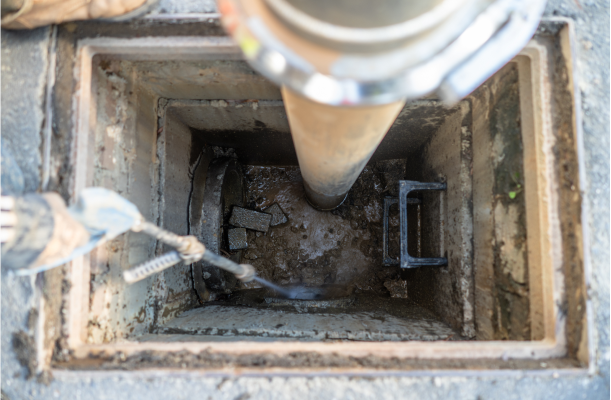
Hydro jetting plays a key role in keeping sewer systems operational. It helps municipalities maintain flow and reduce emergency callouts by removing:
- Grease and fat deposits
- Sand, silt, and debris
- Early-stage root intrusions
- Mineral scaling inside pipe walls
Because the process restores full pipe diameter without excavation, cities can maintain performance while avoiding unnecessary infrastructure damage.
CCTV Inspections Improve Sewer System Decision-Making
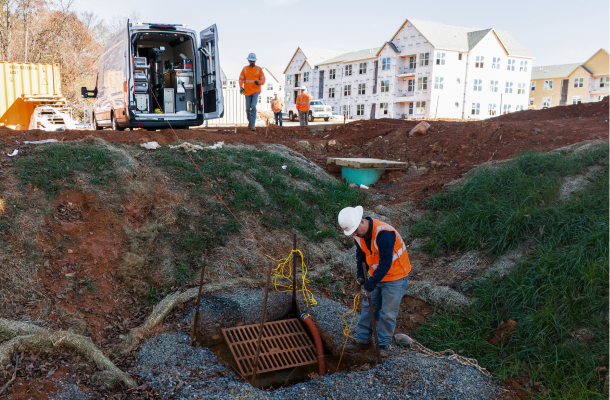
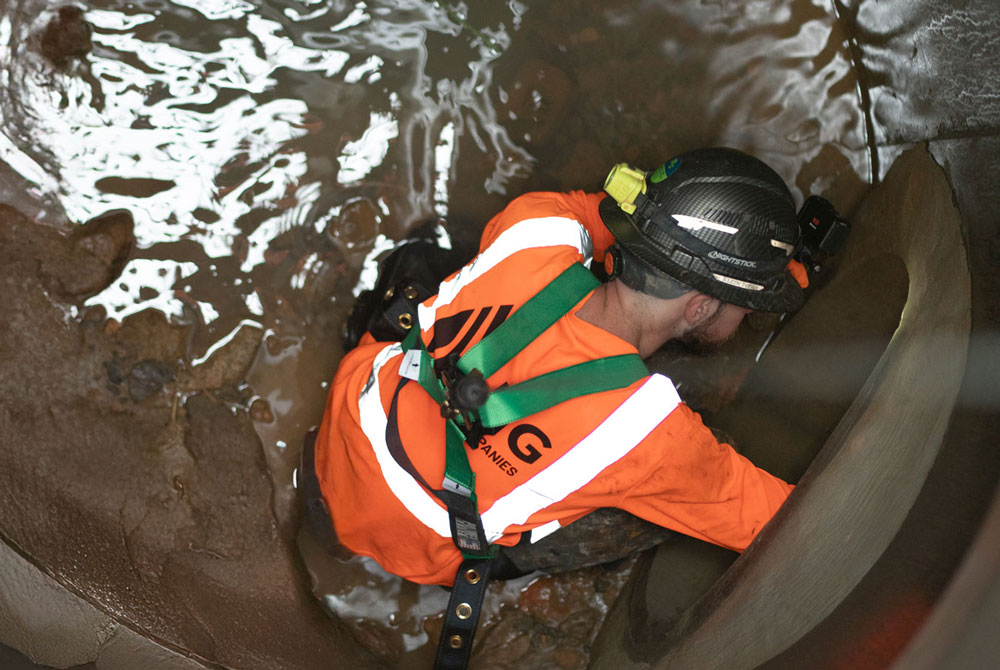
In addition to cleaning, cities rely on CCTV inspections to evaluate underground conditions with precision. Instead of guessing where problems exist, engineers use real-time video footage to assess pipe health. Technicians insert specialized cameras into sewer lines, allowing them to identify defects early and plan targeted repairs.
This approach helps cities:
- Detect cracks, leaks, and joint separation
- Locate blockages with high accuracy
- Monitor long-term pipe deterioration
- Prioritize maintenance budgets more effectively
As a result, municipalities shift from reactive repairs to data-driven infrastructure planning, which significantly improves efficiency.
Trenchless Technology Extends Pipeline Lifespan
Instead of relying on traditional excavation, cities increasingly use trenchless rehabilitation methods. These techniques restore pipelines from within, which minimizes surface disruption and reduces repair time. Two of the most widely used methods include CIPP lining and pipe bursting.
How Trenchless Methods Work
Cured-in-place pipe (CIPP) lining inserts a resin-coated liner into the existing pipe, which then hardens to create a new structural layer inside the old pipeline. On the other hand, pipe bursting breaks the existing pipe while simultaneously pulling a new one into place. These methods allow cities to avoid full road excavation, reduce traffic disruptions, shorten project timelines and extend pipeline lifespan without full replacement. Because of these benefits, trenchless solutions have become a core part of modern sewer rehabilitation programs.
Safe Excavation Supports Sewer Rehabilitation Projects
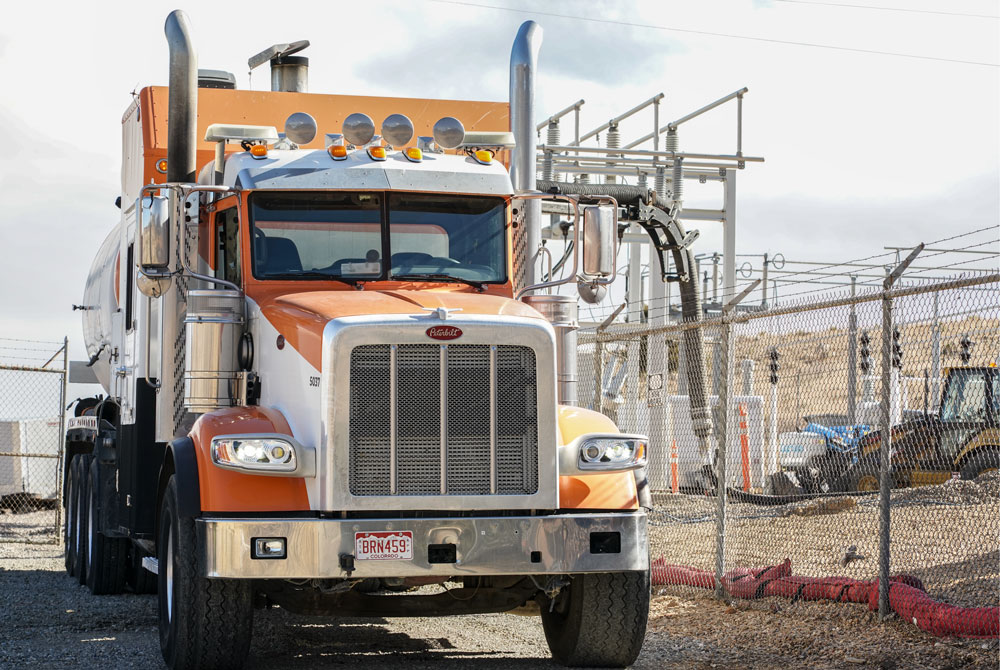
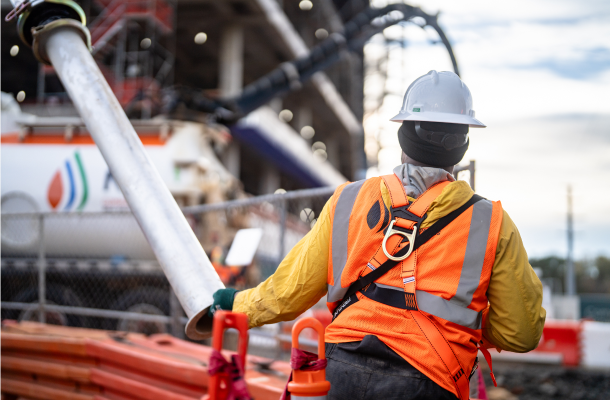
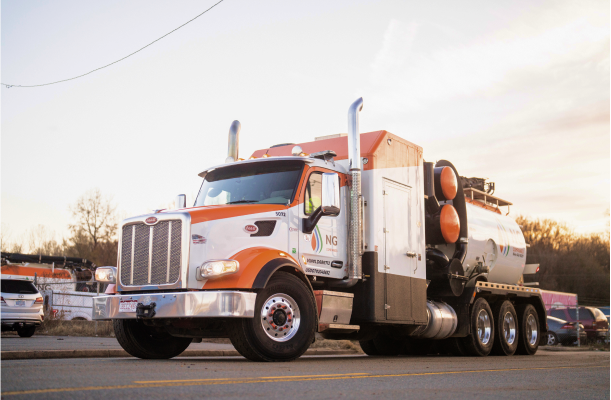
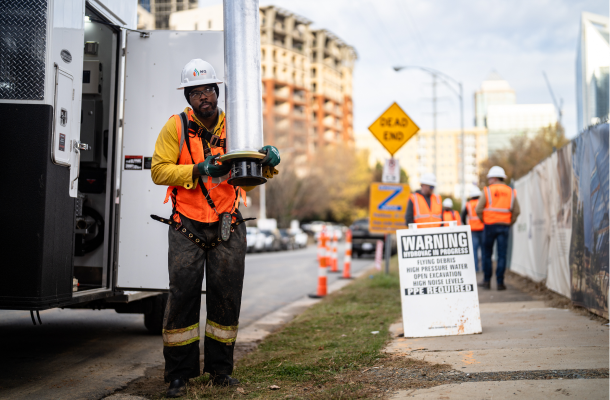
Even though trenchless methods reduce digging, cities still need excavation for access points, repairs, and system upgrades. However, traditional digging methods can damage nearby utilities, especially in dense urban environments. To reduce these risks, contractors increasingly use hydrovac excavation. We at NG Companies support municipal and contractor projects with safe, precise excavation services that use pressurized water and vacuum systems to expose underground infrastructure, that’s why hydrovac excavation improves safety and accuracy by reducing reliance on mechanical digging, especially in areas with aging or poorly documented utility networks.
Why Hydrovac Matters for Sewer Projects
Hydrovac plays a critical role in modern sewer maintenance because it allows crews to work with precision while minimizing risk. It supports projects by:
- Safely exposing buried pipelines
- Reducing the risk of utility strikes
- Allowing controlled potholing and access excavation
- Protecting the surrounding infrastructure from damage
Therefore, cities can complete repair work more efficiently while avoiding costly secondary damage.
Managing Stormwater and System Capacity
As cities grow, sewer systems also face increasing pressure from stormwater infiltration. Heavy rainfall events often overwhelm aging infrastructure, especially when pipe joints and connections are already weakened. To address this, municipalities implement ongoing maintenance and capacity management strategies. They routinely clean storm drains and interceptors, remove debris that restricts flow, and monitor high-risk overflow areas. In addition, they upgrade critical system points where repeated failures occur. These combined efforts help cities maintain system performance during peak weather conditions and reduce the risk of overflows.
Data-Driven Infrastructure Planning Improves Efficiency
Modern sewer management now relies heavily on data instead of fixed replacement schedules. Rather than replacing pipes based on age alone, cities evaluate actual system condition and performance. They combine multiple data sources to guide decisions, including inspection reports, flow monitoring data, and maintenance history.
This approach allows municipalities to:
- Prioritize high-risk sewer sections
- Extend the life of stable infrastructure
- Allocate budgets more effectively
- Reduce unnecessary large-scale replacements
Because of this shift, cities manage sewer systems more efficiently while maximizing long-term asset value.
The Future of Sewer Infrastructure Maintenance
Looking ahead, cities will continue combining preventive maintenance, trenchless technology, and safe excavation methods to extend sewer system life. Hydro jetting, CCTV inspections, trenchless rehabilitation, and hydrovac excavation will remain essential tools in maintaining aging infrastructure. Together, these methods help municipalities reduce costs, improve reliability, and minimize disruption to communities.
Final Thoughts
Ultimately, cities extend the life of aging sewer infrastructure by shifting from reactive repairs to proactive system management. Through regular cleaning, advanced inspection, and modern rehabilitation methods, they significantly improve performance and delay costly replacements. As a result, municipalities protect critical infrastructure, reduce service disruptions, and maximize the value of existing sewer systems for decades beyond their original design life. Contact us for your next project!
 About NG CompaniesLearn more about NG Companies’ values, missions, and why we’re the right choice to partner with you.
 SafetyLearn more about how we keep our people, our partners, and the public safe.
 NewsLearn more about how we keep our people, our partners, and the public safe.
 Our WorkTo learn the scope and caliber of NG Companies’ work, explore our proud body of work.
 OverviewDiscover how we deliver the highest level of damage prevention to ensure safety on all of your projects.
 Video Pipe InspectionLearn how we operate our 360° video pipe inspection to ensure accuracy and precision.
 HydrovacUnderstand what sets NG Companies apart with leading and precise industry technology.
 Hydro JettingLearn about NG Companies’ abilities to clear build-up and debris, damage assessment, and utility restoration.
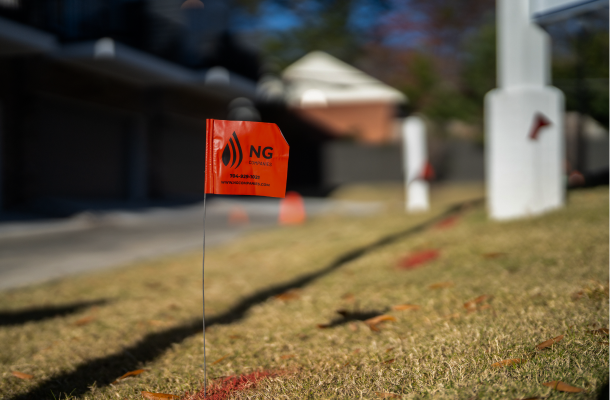 Utility LocatingNG Companies will provide swift and accurate utility locating services. Learn more about how we do it.
 Trenchless Pipe RepairTrenchless pipe repair for fast, no-dig sewer and water line restoration with minimal disruption and lower costs.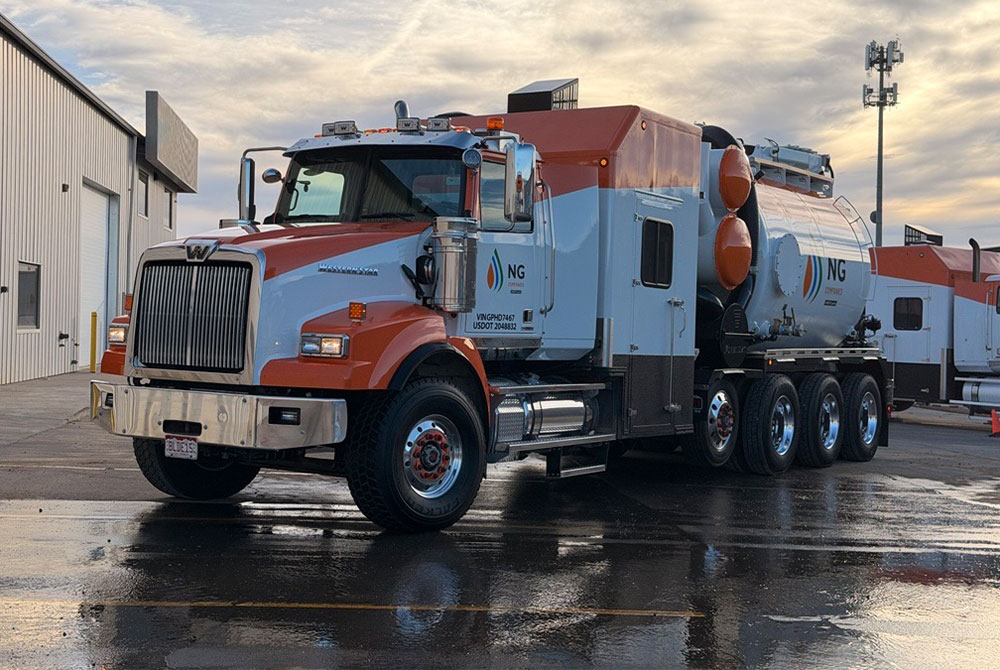


 All Posts